
Amphibolips
Reinhard, 1865
Species Guides
21- Amphibolips acuminata(Fusiform Oak Apple Gall Wasp)
- Amphibolips confluenta(spongy oak apple gall wasp)
- Amphibolips cookii(Oak Apple Gall Wasp)
- Amphibolips ellipsoidalis
- Amphibolips femoratus
- Amphibolips fusus
- Amphibolips gainesi
- Amphibolips globulus
- Amphibolips ilicifoliae
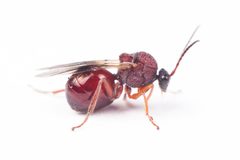
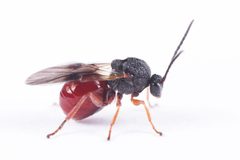
Amphibolips is a of gall wasps in the Cynipidae, first described by Reinhard in 1865. The genus contains approximately 57 described , with additional undescribed species known. All members are native to the Americas and are specialized gall inducers, primarily on oaks (Quercus spp.).
Pronunciation
How to pronounce Amphibolips: //æmˈfɪbəlɪps//
These audio files are automatically generated. While they are not always 100% accurate, they are a good starting point.
Identification
Amphibolips are distinguished from other cynipine gall wasps by a combination of morphological features including reduced wing venation, specific tarsal segment proportions, and characteristic gall morphologies on oak . Species-level identification requires examination of gall structure, host oak species, and detailed morphological analysis of specimens.
Images
Habitat
Associated with oak-dominated forests and woodlands, wherever Quercus occur.
Distribution
Native to the Americas; distribution records include the United States (including Vermont) and presumably extending throughout the range of native oak in North, Central, and South America.
Host Associations
- Quercus - gall inductionAll known induce galls on oaks; specific associations vary by species
Ecological Role
Gall induction modifies oak tissue development, creating specialized microhabitats that support complex including , , and hyperparasitoids.
Similar Taxa
- CynipsBoth are cynipine gall wasps on oaks; Amphibolips differs in wing venation patterns and geographic distribution (Cynips primarily Palearctic, Amphibolips strictly American)
- NeuroterusSimilar oak-galling cynipines; distinguished by gall and morphological characters including and tarsal structure
More Details
Species diversity
The is actively studied, with approximately 57 described and numerous undescribed species awaiting formal description.