
Amphibolips quercusrugosa
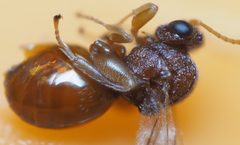
Amphibolips quercusrugosa is a of gall wasp in the Cynipidae. It is known for inducing galls on oak trees (Quercus species), specifically associated with the wrinkled oak or related species. The species was described by William Beutenmüller in 1909. As with other Amphibolips species, it has a complex involving both sexual and that alternate between different gall types on oaks.
Pronunciation
How to pronounce Amphibolips quercusrugosa: /æmˈfɪbəlɪps kwɜrˌkʌs ruːˈɡoʊsə/
These audio files are automatically generated. While they are not always 100% accurate, they are a good starting point.
Identification
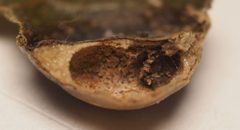
Identification relies on examination of the galls produced and, when available, . The specific epithet "quercusrugosa" suggests an association with Quercus rugosa or similar oaks with wrinkled leaves. Adult wasps are small, with reduced wing venation characteristic of Cynipidae. Definitive identification requires comparison with or expert taxonomic review, as Amphibolips are morphologically similar and often distinguished primarily by gall morphology and association.
Images
Habitat
Associated with oak woodlands and forests where Quercus occur. The specific host plant, suggested by the epithet to be Quercus rugosa or related oaks, grows in montane and temperate forest environments in Mexico and the southwestern United States.
Distribution
Recorded from Mexico and the southwestern United States, corresponding to the range of its oaks. iNaturalist observations are concentrated in these regions.
Seasonality
Gall formation and follow the of oaks. Specific timing is poorly documented but likely follows patterns typical of oak gall wasps, with spring emergence of sexual adults and summer to fall activity of generation.
Host Associations
- Quercus - gall inducerSpecific likely includes Quercus rugosa or related oaks with similar leaf ; exact host range requires verification
Ecological Role
As a gall inducer, modifies plant tissue to create protected feeding and development chambers. The galls may provide microhabitat for other organisms ( and ), contributing to local biodiversity in oak .
Similar Taxa
- Amphibolips quercusostensackeniiAlso induces galls on oaks; distinguished by gall and association
- Other Amphibolips speciesMorphologically similar; require examination of gall characteristics and plant for separation