Dryinus
Latreille, 1804
pincer wasps
Species Guides
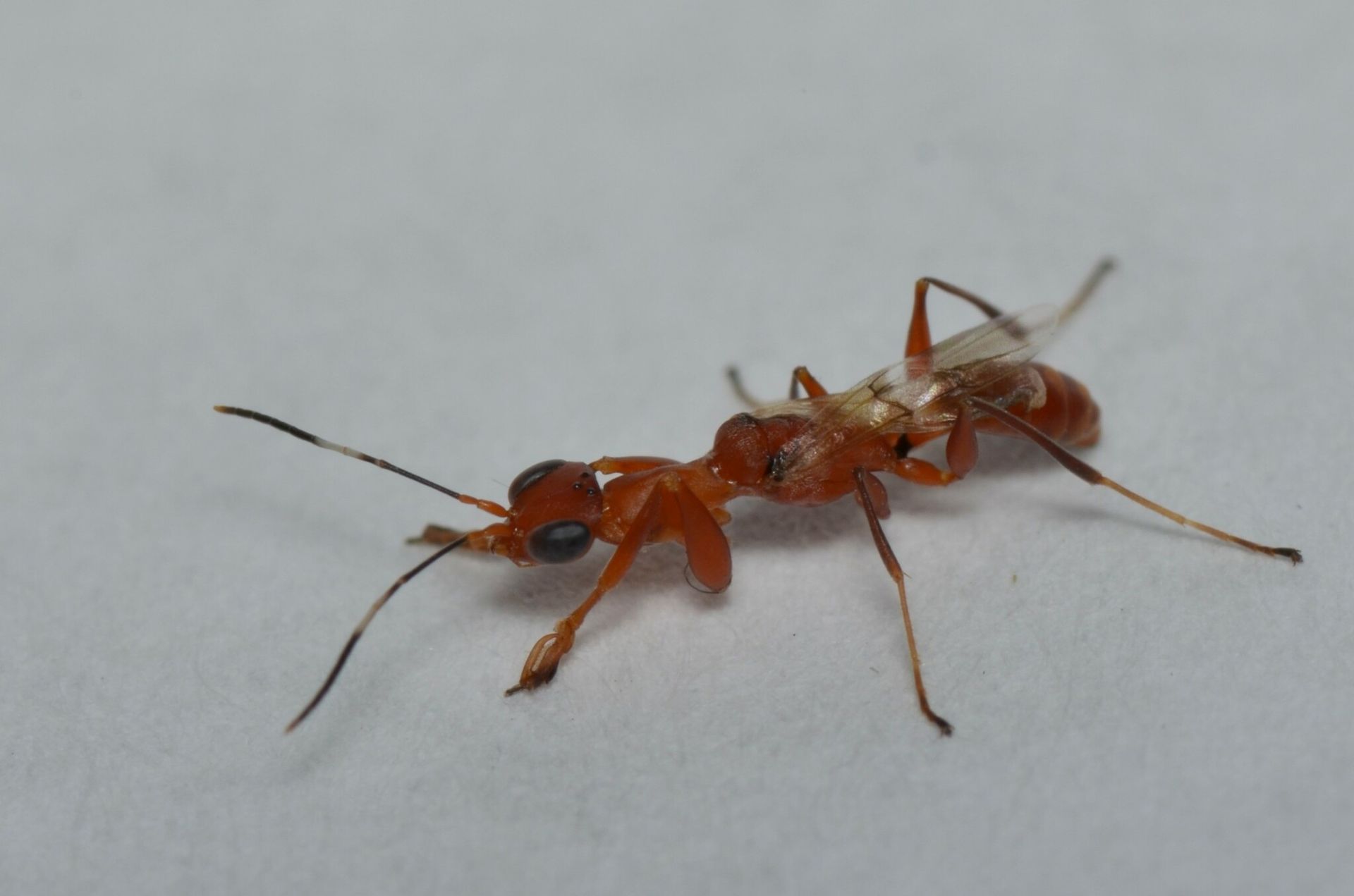
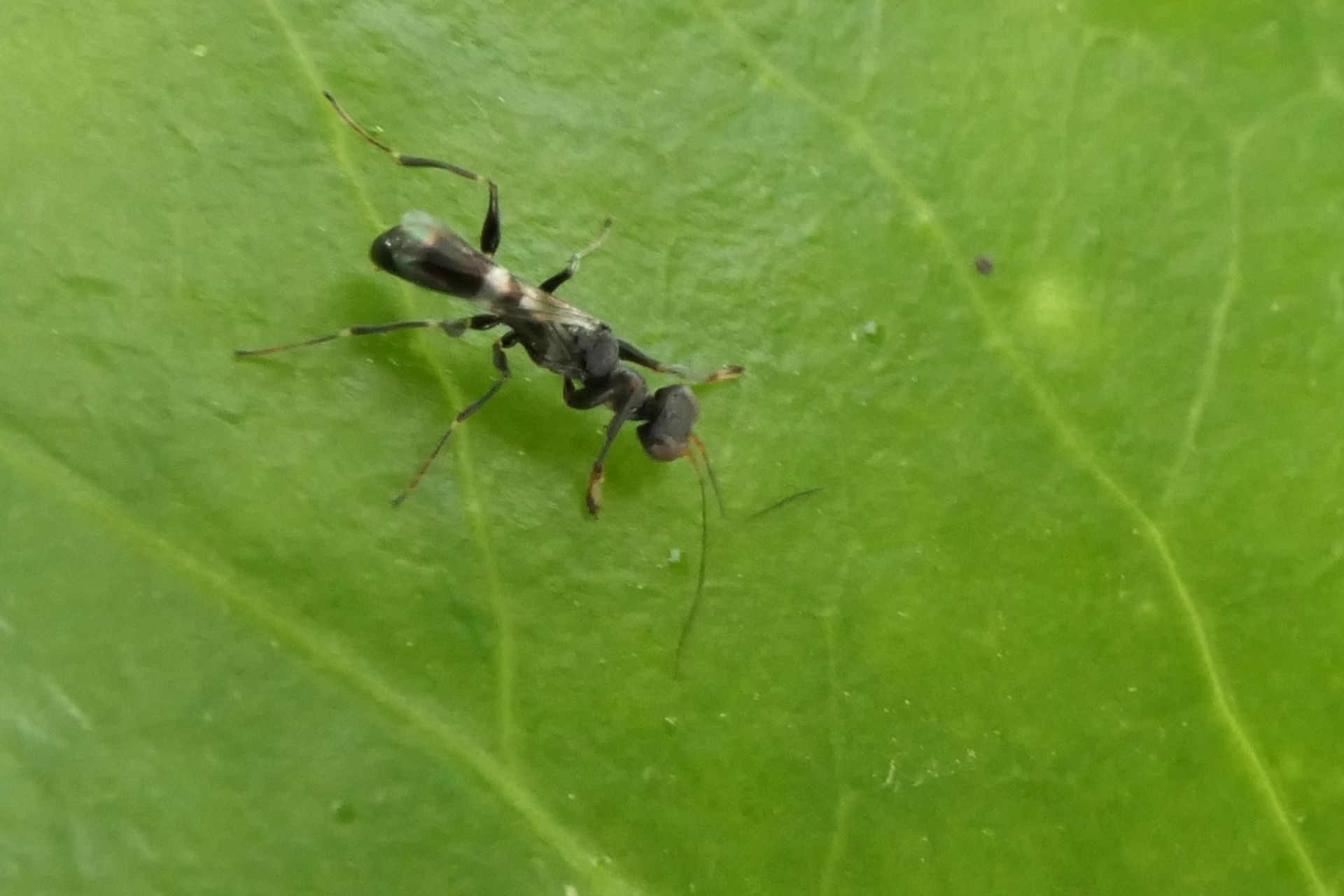
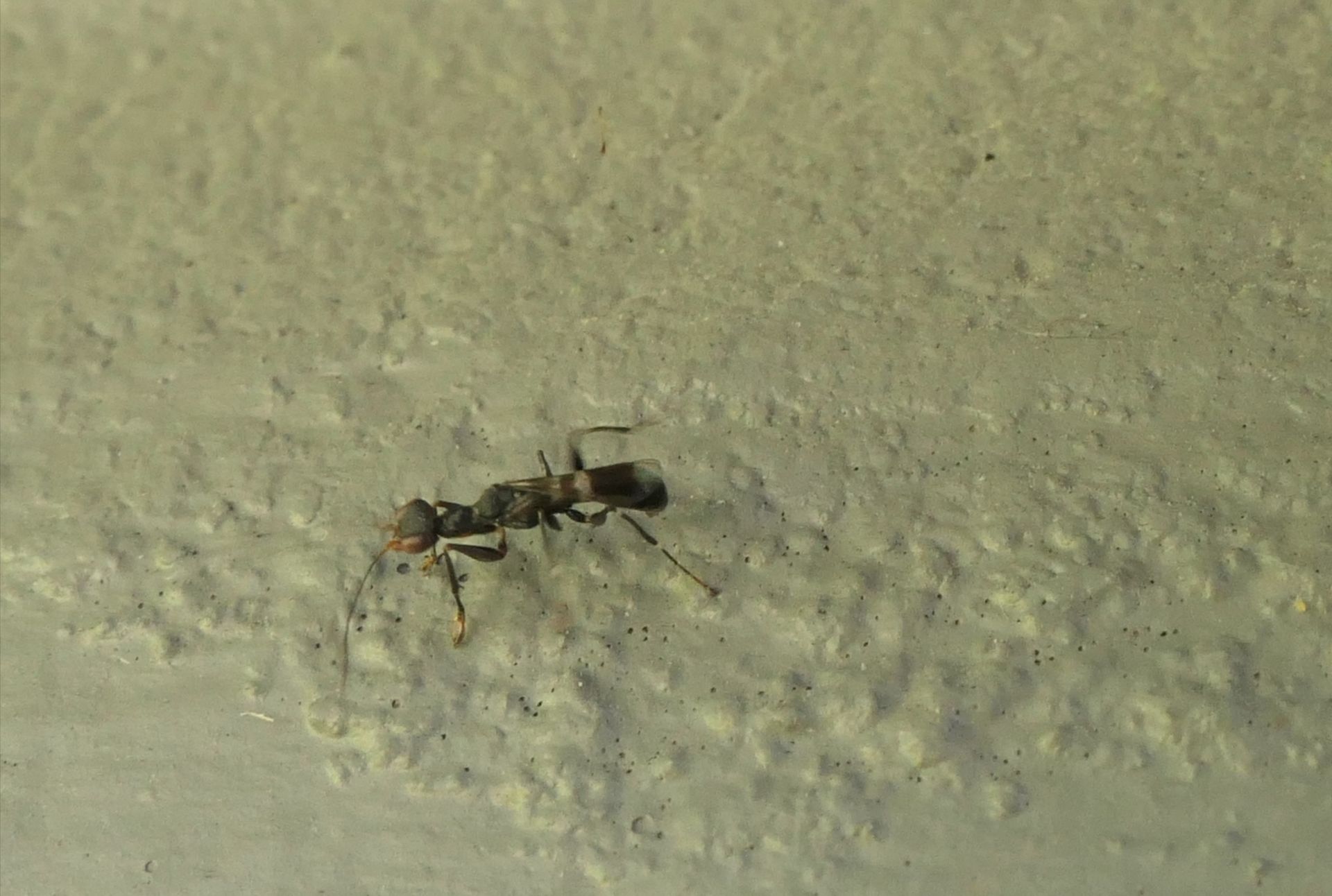
3Dryinus is a of dryinid parasitic comprising over 340 fossil and extant , making it the most diverse genus in the Dryininae. Species are distributed worldwide, with 103 species reported from the Neotropics alone. These wasps are ectoparasitoids of Hemiptera, particularly planthoppers and related groups. Females exhibit with a distinctive chelate (pincer-like) protarsus used in capture.
Pronunciation
How to pronounce Dryinus: //ˈdraɪ.nəs//
These audio files are automatically generated. While they are not always 100% accurate, they are a good starting point.
Identification
Females of Dryinus are distinguished from other dryinid by the presence of a chelate protarsus—modified forelegs with pincer-like claws used to grasp . This structure is absent in males and in related genera such as Anteon and Gonatopus. The genus can be further separated from Anteon by wing venation and body proportions, though specific characters vary among .
Images
Distribution
distribution with records from all major biogeographic regions. The is particularly diverse in the Neotropics (103 ). Specific collection localities include: northeastern Brazil (Bahia, Pernambuco), eastern Uruguay, China, and Europe. Fossil species are known from Baltic, Dominican, and Burmese ambers.
Host Associations
- Lycorma delicatula - of D. sinicus; spotted lanternfly nymphs are parasitized
- Bladina sp. - First record for Dryinus (Hemiptera: Nogodinidae)
- Dictyophara - for D. tarraconensis (Hemiptera: Dictyopharidae)
Life Cycle
Larvae are ectoparasitic, with the partially embedded in the 's coelom and the body protruding between , covered by larval (thylacium). Development includes 5 larval instars before the mature larva exits the host to pupate in a silken cocoon, killing the host in the process. This pattern has been documented in D. sinicus and D. tarraconensis.
Ecological Role
Ectoparasitoid of Hemiptera, particularly fulgoroid planthoppers. such as D. sinicus demonstrate high and have been evaluated as agents for pests.
Human Relevance
Dryinus sinicus has been investigated as a promising agent for the spotted lanternfly (Lycorma delicatula) in the United States due to its high rates and in laboratory studies.
Similar Taxa
More Details
Fossil record
Numerous fossil have been described from Baltic, Dominican, and Burmese ambers, indicating a long evolutionary history for the .
Reproductive biology
D. sinicus is highly synovigenic (ovigeny index: 0.0843), with females emerging with approximately 15 mature and continuing production throughout life. Self- occurs frequently in laboratory settings.
Host size preference
In laboratory trials, D. sinicus more effectively parasitized first instar than second instar spotted lanternfly nymphs, and killed approximately 7 times more nymphs through than through feeding.
Sources and further reading
- BugGuide
- Wikipedia
- GBIF taxonomy match
- iNaturalist taxon
- NCBI Taxonomy
- Catalogue of Life
- Dryinus gordhi Olmi foretarsus | Entomology Research Museum
- Primary Type List | Entomology Research Museum
- First report of Dryinus garcetei Olmi, 2012 (Hymenoptera, Dryinidae) in the Northeast region of Brazil
- One new species and one new record of Dryinus Latreille, 1804 (Hymenoptera: Dryinidae) from Uruguay
- The pincer wasps of the genus Dryinus Latreille in northeastern Brazil: a new host record and distribution for two species (Hymenoptera, Dryinidae)
- Developmental morphology and reproductive potential of Dryinus sinicus (Hymenoptera: Dryinidae), a promising biological control agent for spotted lanternfly
- <p><strong>Description of larval instars of <em>Dryinus</em> <em>tarraconensis</em> Marshall, 1868 and </strong><br /><strong><em>Gonatopus</em> <em>baeticus</em> (Ceballos, 1927) (Hymenoptera: Chrysidoidea: Dryinidae), parasitoids of the genus <em>Dictyophara</em> Germar </strong><strong>(Hemiptera: Auchenorrhyncha: Dictyopharidae)</strong></p>
- Dryinones: Structure Elucidation of Red Colorants from Submerged Cultures of Pleurotus dryinus.