Dryininae
Genus Guides
1- Dryinus(pincer wasps)
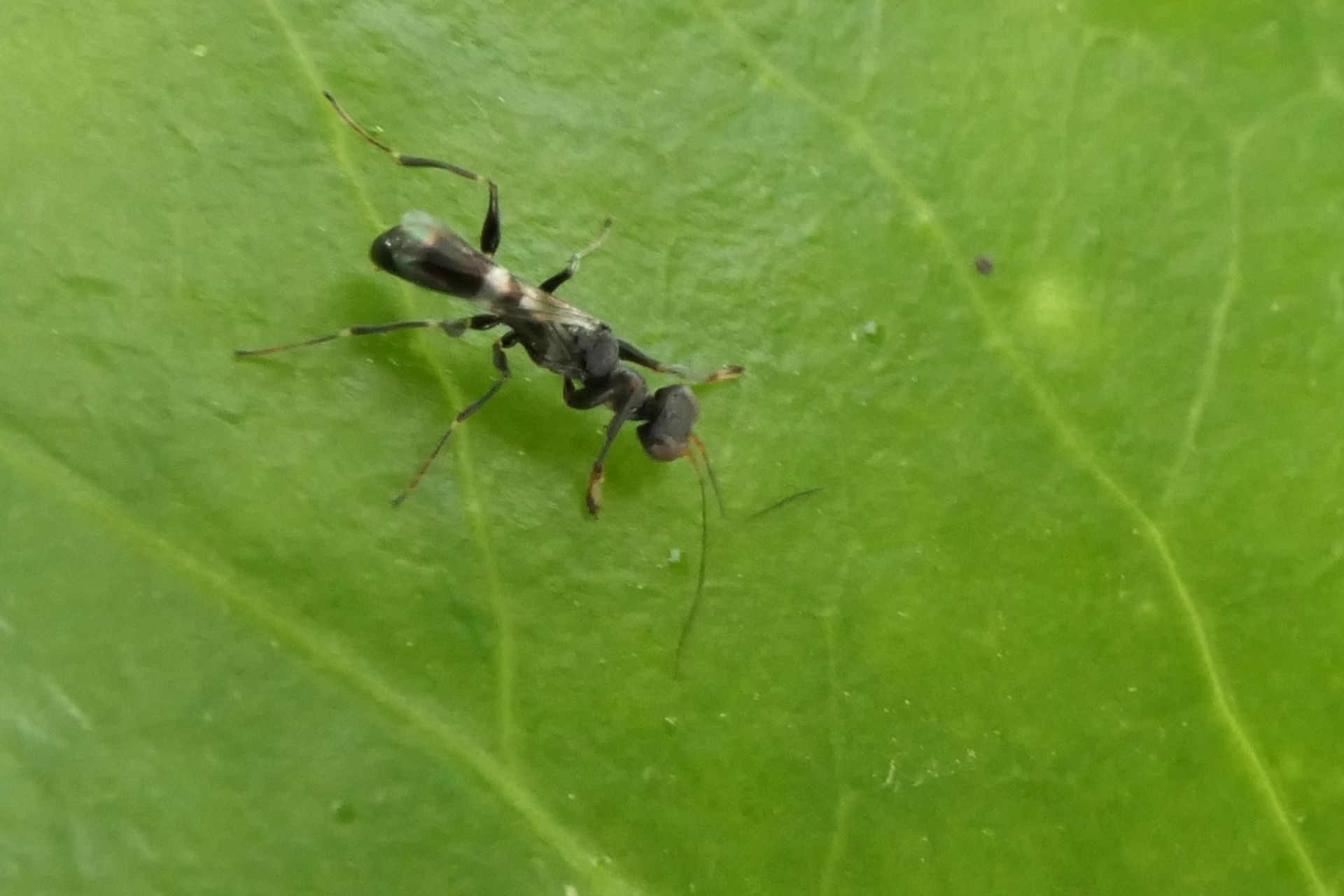
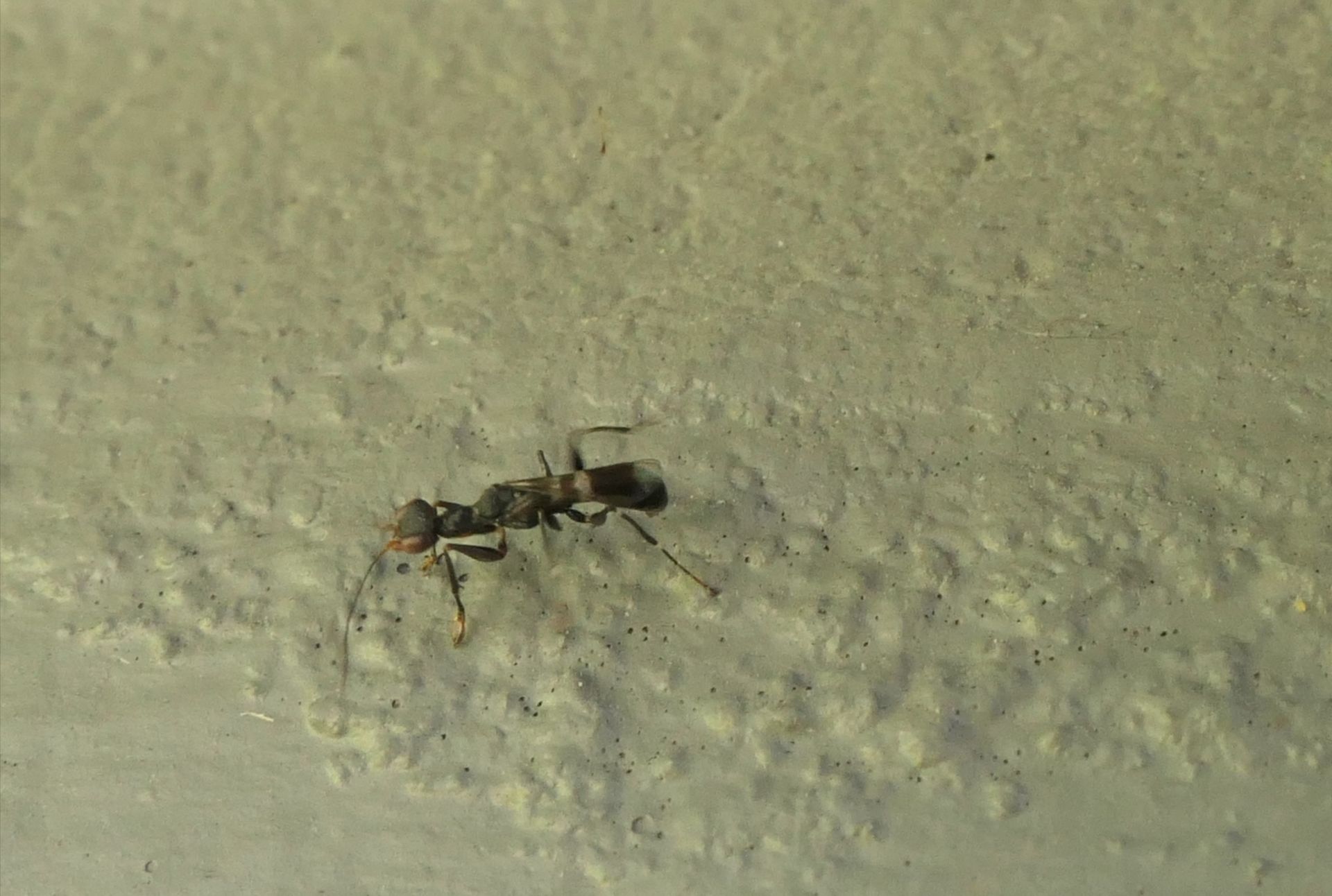
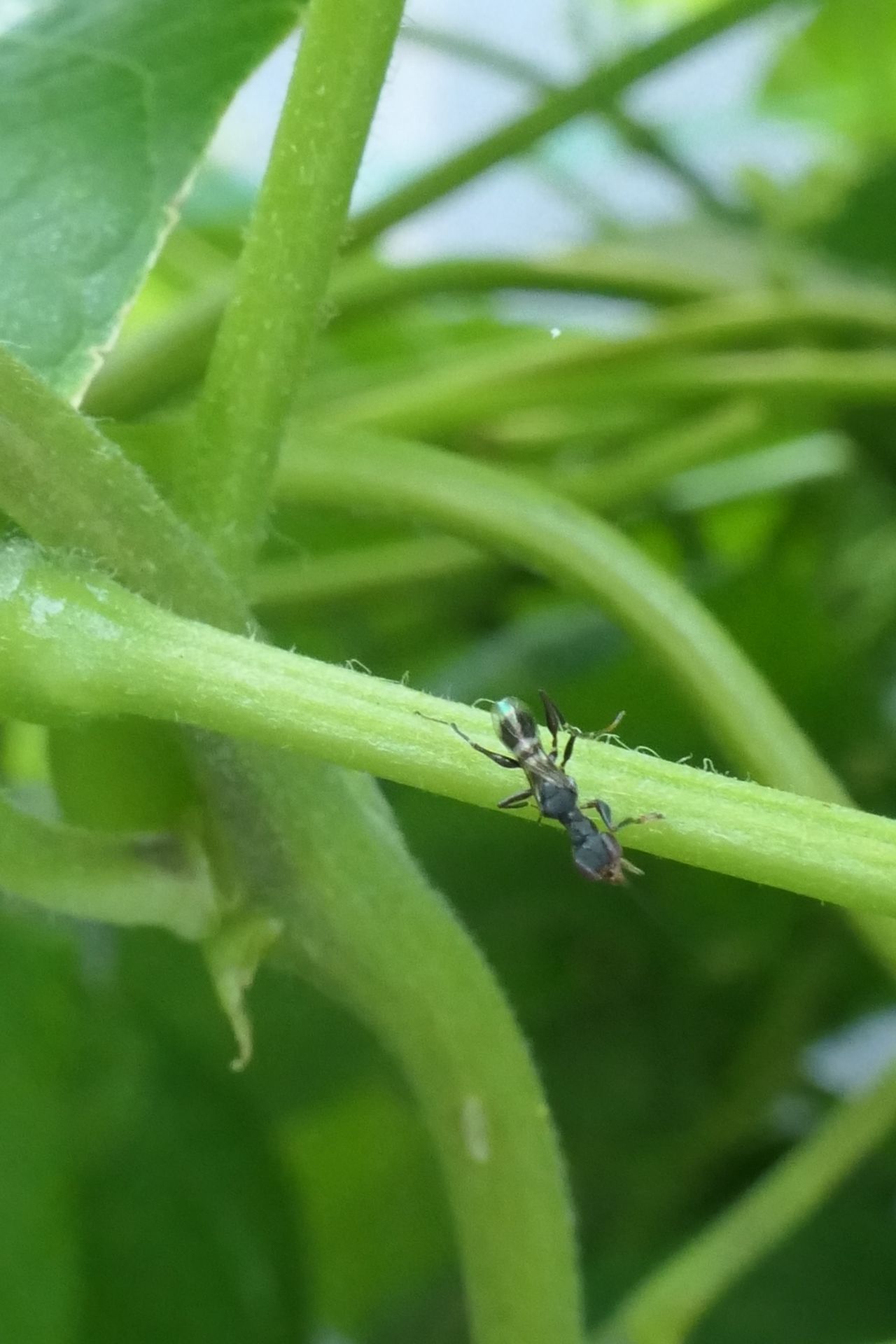
Dryininae is a of within the Dryinidae. Members are characterized by the distinctive chelae (pincer-like forelegs) found in females, which are used to capture and hold prey. These wasps are parasitoids of Hemiptera, particularly leafhoppers and planthoppers. The subfamily represents one of the major lineages within Dryinidae.
Pronunciation
How to pronounce Dryininae: //ˌdraɪɪˈnaɪniː//
These audio files are automatically generated. While they are not always 100% accurate, they are a good starting point.
Identification
Females possess highly modified, forelegs with chelae (pincers) used to grasp —a diagnostic feature of Dryinidae and particularly prominent in Dryininae. Males lack these modified forelegs and have more conventional legs. Antennal structure and wing venation patterns separate Dryininae from the other , Aphelopinae, within Dryinidae.
Images
Diet
are predatory on small arthropods; larvae are endoparasitoids of Hemiptera, specifically leafhoppers (Cicadellidae) and planthoppers (Fulgoroidea).
Host Associations
- Cicadellidae - larval
- Fulgoroidea - larval
Life Cycle
Females use their chelate forelegs to capture and immobilize leafhoppers or planthoppers. An is laid on or within the host. The larva develops as an endoparasitoid, eventually killing the host. Mature larvae emerge to pupate, often in a silken cocoon.
Behavior
Females actively hunt for mobile Hemiptera , using their forelegs to seize prey. The modified forelegs allow capture of hosts that would otherwise escape.
Ecological Role
agents of leafhopper and planthopper , potentially limiting plant damage and transmission by these herbivores.
Human Relevance
Studied as potential biocontrol agents for agricultural pests, particularly leafhoppers that damage crops and transmit plant .
Similar Taxa
- AphelopinaeOther of Dryinidae; distinguished by reduced or absent chelae on female forelegs and different associations, primarily targeting different hemipteran groups.
More Details
Taxonomic note
Dryininae contains the majority of described in Dryinidae, with numerous distributed globally. The is defined primarily by female foreleg and range.