
Aphelopinae
Genus Guides
2Aphelopinae is a of within the Dryinidae. Members are characterized by reduced wing venation and a distinct body form compared to other dryinid subfamilies. The group is relatively small and understudied, with most occurring in tropical and subtropical regions. Aphelopinae species are known to parasitize Hemiptera, particularly leafhoppers (Cicadellidae).
Pronunciation
How to pronounce Aphelopinae: /ˌæfə.loʊˈpaɪniː/
These audio files are automatically generated. While they are not always 100% accurate, they are a good starting point.
Identification
Distinguished from other Dryinidae by the combination of reduced wing venation (forewings with at most two closed ), pronotum extending to tegulae, and the absence of a distinct pterostigma. Anteoninae and Dryininae have more complete wing venation with multiple closed cells. Gonatopodinae females have highly modified, chelate forelegs formed into pincer-like structures, whereas Aphelopinae females have simpler forelegs with a single enlarged tarsal claw.
Images
Appearance
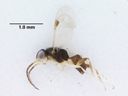
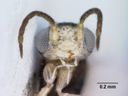
Small to medium-sized with slender, elongated bodies. Forewings have reduced venation with few closed , often appearing nearly veinless. are long and multi-segmented. The pronotum extends backward to touch the tegulae, a distinctive structural feature. Body coloration varies from dark brown to black, often with pale or yellowish markings on legs or antennae. Females possess a modified, foreleg used to capture .
Habitat
Found in diverse terrestrial including forests, woodlands, and shrublands. Associated with vegetation where leafhoppers occur. Tropical and subtropical often inhabit humid, dense vegetation; temperate species occupy open woodlands and forest edges.
Distribution
Primarily distributed in tropical and subtropical regions worldwide. Recorded from the Neotropics, Afrotropics, Indomalaya, and Australasia. Limited representation in the Nearctic and Palearctic regions. Most diverse in Central and South America, Southeast Asia, and Africa.
Seasonality
Activity patterns follow availability; most commonly observed during warm seasons when leafhopper peak. In tropical regions, active year-round. In temperate regions, primarily active from late spring through early autumn.
Diet
Larval stages are obligate of Hemiptera, specifically leafhoppers (Cicadellidae). feeding habits poorly documented; likely feed on nectar or honeydew based on related dryinid .
Host Associations
- Cicadellidae - Larvae develop externally on nymphs and
Life Cycle
Females capture leafhopper using forelegs and deposit an on the host body. Larva feeds externally on the host, eventually killing it. Development includes egg, larval, prepupal, and pupal stages. occurs in a silken cocoon, often attached to vegetation. Multiple per year in favorable climates.
Behavior
Females actively hunt leafhoppers on vegetation, ambushing or pursuing . forelegs used to seize and hold hosts during oviposition. Solitary foragers with no social structure. Males likely search for females near host .
Ecological Role
agents regulating leafhopper . Contribute to natural suppression of potential agricultural and forestry pests. Part of complex associated with phytophagous Hemiptera.
Human Relevance
Potential value in programs targeting leafhopper pests, though not commercially utilized. Occasionally documented in agricultural systems but generally overlooked due to small size and cryptic habits. No known negative impacts on humans.
Similar Taxa
- AnteoninaeSimilar body form and size, but Anteoninae have more complete wing venation with three or more closed in forewing and pronotum not extending to tegulae.
- GonatopodinaeAlso parasitize leafhoppers, but Gonatopodinae females have highly modified chelate forelegs with pincer-like and tibia, unlike the simpler forelegs of Aphelopinae.
- DryininaeLarger size and more robust build; Dryininae have complete wing venation and often possess an elongated neck-like prothorax not seen in Aphelopinae.
More Details
Taxonomic history
Aphelopinae has been treated variously as a tribe or within Dryinidae. Current classification recognizes it as one of four subfamilies, though relationships among dryinid lineages remain under study. The group was historically overlooked due to scarcity of specimens in collections.
Collection challenges
Specimens are rarely collected by standard insect sampling methods due to specific associations and behavioral traits. and targeted sweeping of plants yield best results. Many known from few specimens, limiting ecological understanding.