
Amiseginae
Krombein, 1957
Genus Guides
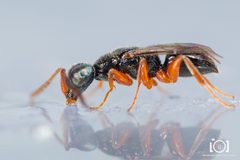
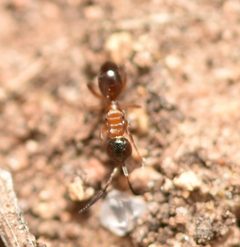
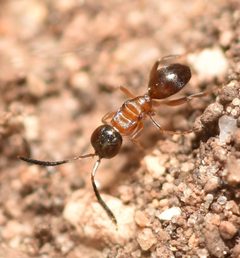
2Amiseginae is a of cuckoo wasps (Chrysididae) containing over 30 and approximately 150 described . These are obligate of (), a highly specialized ecological relationship that has persisted since at least the mid-Cretaceous. Females of some genera are flightless and exhibit -like . The subfamily has a global distribution.
Pronunciation
How to pronounce Amiseginae: /ˌæmɪˈsiːdʒɪnaɪ/
These audio files are automatically generated. While they are not always 100% accurate, they are a good starting point.
Identification
Amiseginae can be distinguished from other Chrysididae by specialized female mouthparts and oviposition apparatus adapted for parasitizing . Some contain flightless females with -like appearance. Cretaceous fossils show remarkably conserved morphological specializations for this parasitic lifestyle.
Images
Habitat
Caatinga dry region in northeastern Brazil; between Caatinga and Atlantic forest; deciduous forest; semiarid environments. Habitat associations vary by and region.
Distribution
Worldwide distribution. Documented in northeastern Brazil with in the core Caatinga dry region. Cretaceous fossils known from Burmese amber indicate ancient distribution in mid-Cretaceous .
Host Associations
- Phasmida (stick insects) - obligate Highly specialized relationship; only 12 unique -level associations documented in literature despite 150+ described species
Behavior
Females of some are flightless and exhibit -like . Specialized mouthparts and oviposition apparatus indicate highly derived feeding and -laying associated with locating and parasitizing eggs.
Ecological Role
of stick insects through . Potential agents for pest phasmid in agriculture and forestry, though specificity is insufficiently known for practical application.
Human Relevance
Potential value as agents for pests, but current knowledge of associations and specificity is inadequate to assess feasibility. Interest from entomologists and natural history observers.
Similar Taxa
- LoboscelidiinaeAlso parasitizes ; both are obligate egg of Phasmida and share similar ecological specializations. Distinguished by morphological and phylogenetic differences within Chrysididae.
- CleptinaeAnother of Chrysididae; differs in associations and lacks the specialized relationship that defines Amiseginae.
More Details
Fossil Record
Cretaceous-age fossils from Burmese amber (mid-Cretaceous, ~100 Mya) represent the oldest known Amiseginae. Four fossil have been described: †Cenomanisega, †Cretamisega, †Protognathosega, and †Telistosega. These fossils demonstrate that specialized traits evolved ≥100 million years ago and were likely crucial to early diversification of the clade.
Taxonomic Database
The Chrysididae SpeciesFile provides comprehensive online taxonomic information for Amiseginae and Loboscelidiinae, covering 187 valid across both as of 2016.
Sources and further reading
- BugGuide
- Wikipedia
- iNaturalist taxon
- NCBI Taxonomy
- Catalogue of Life
- An online taxonomic database of the stick insect (Phasmida) egg-parasitising subfamilies Amiseginae and Loboscelidiinae (Hymenoptera: Chrysididae)
- Amiseginae and Cleptinae from northeastern Brazil, with the description of four new species (Hymenoptera, Chrysididae)
- Expanding the Amiseginae: remarkable new Cretaceous-age fossils shed light on the early diversification of a highly specialized clade of cuckoo wasps (Hymenoptera: Chrysididae)