Adelphe
Mocsáry, 1890
Species Guides
1Adelphe is a of cuckoo wasps in the Chrysididae, Amiseginae. It was established by Mocsáry in 1890. Members of this genus are found in the Neotropical region. The genus is part of the diverse chrysidid wasp radiation, which are known for their metallic coloration and kleptoparasitic or parasitoid .
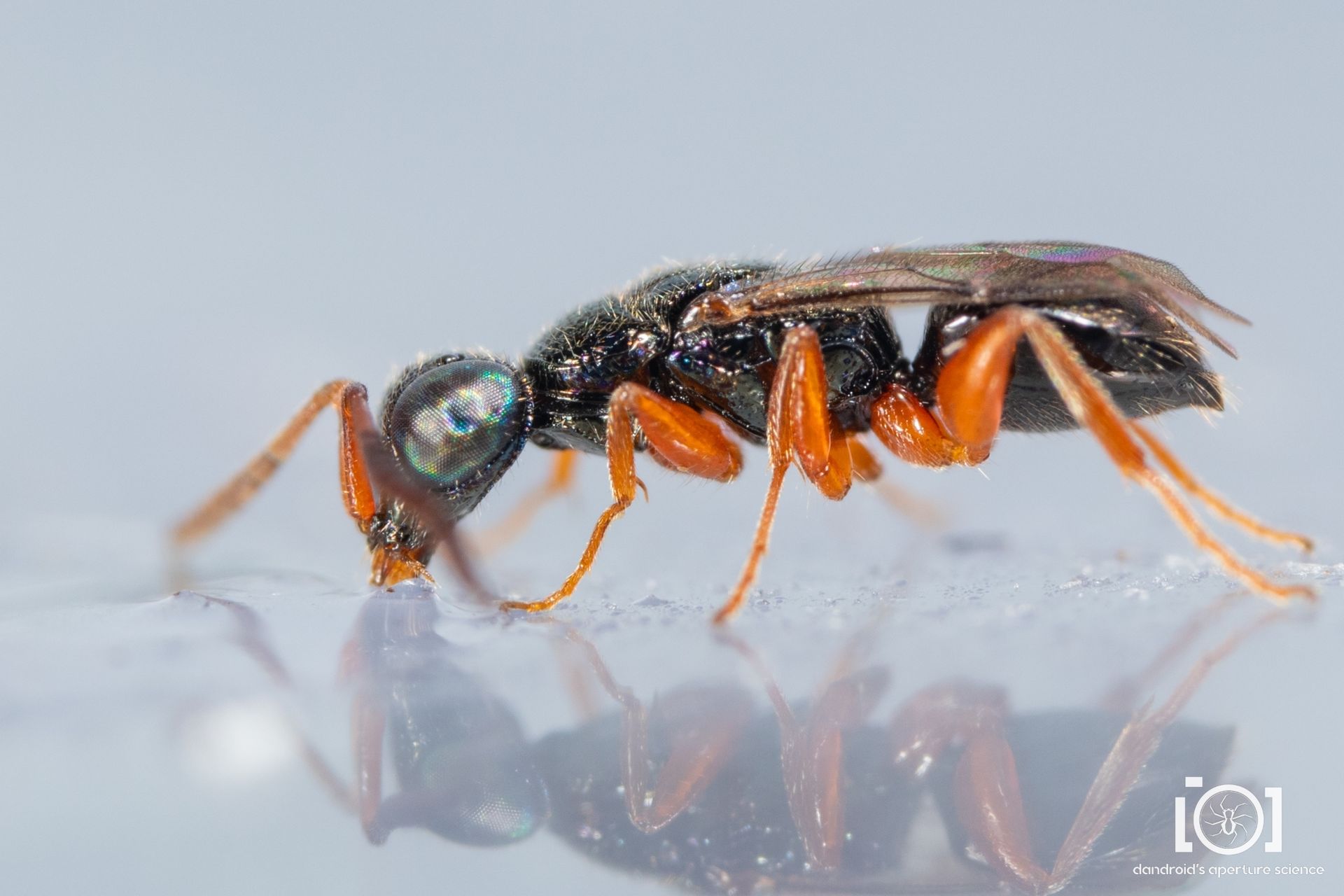
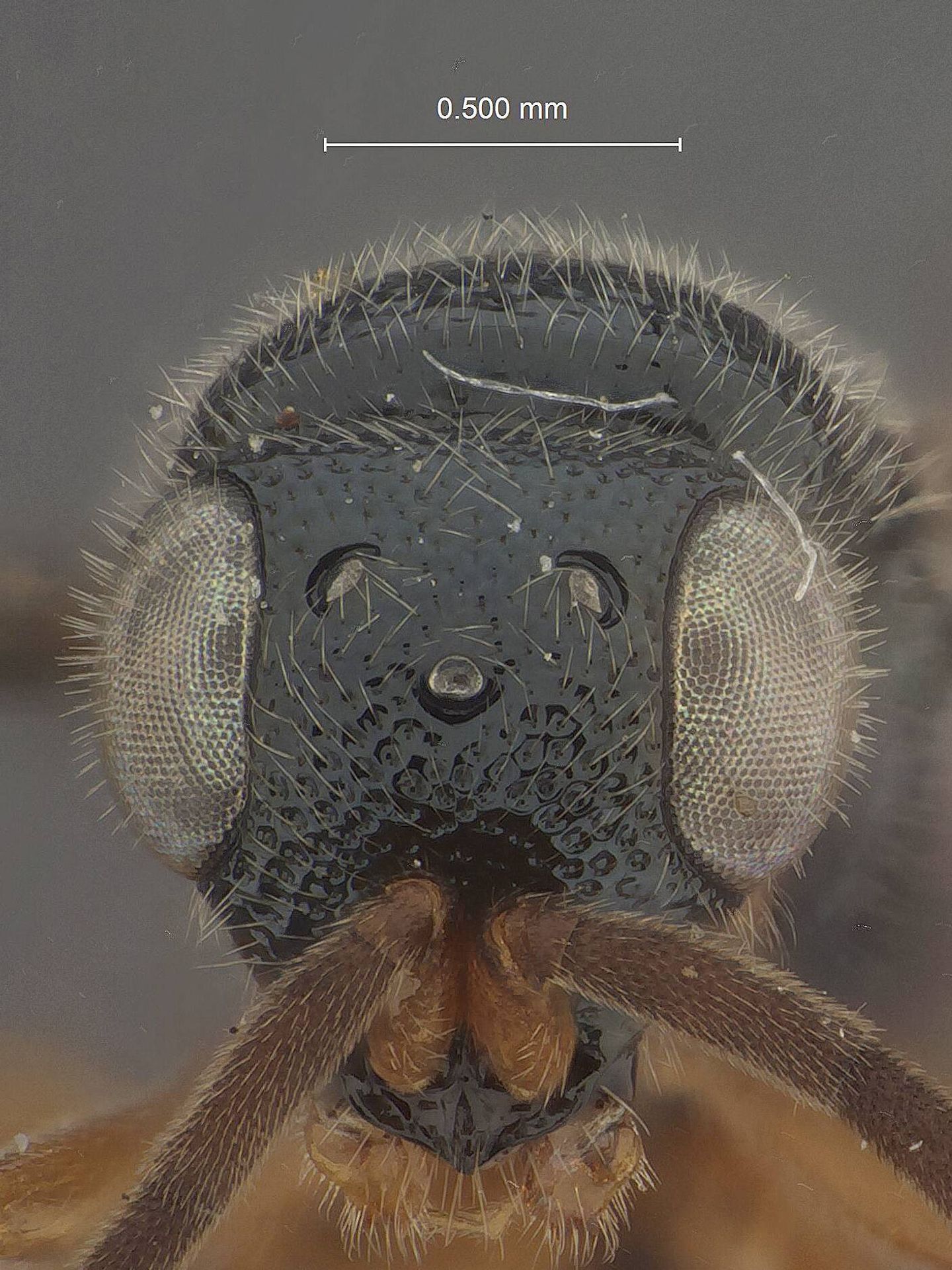
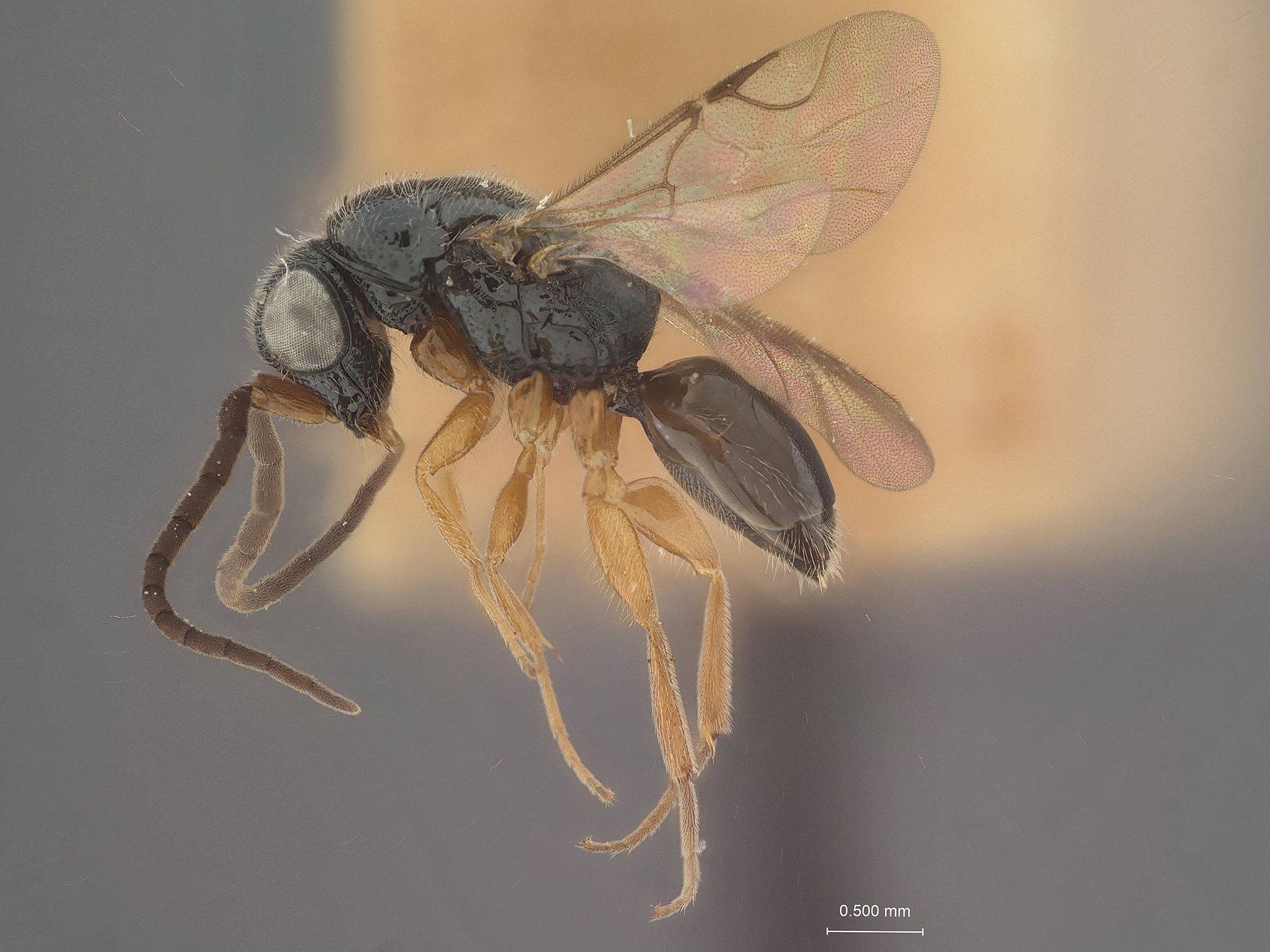
Pronunciation
How to pronounce Adelphe: /əˈdɛlfi/
These audio files are automatically generated. While they are not always 100% accurate, they are a good starting point.
Identification
Adelphe can be distinguished from other Amiseginae by features of the mandibular structure and thoracic . Detailed diagnostic characters require examination of specific morphological traits not consistently documented in general sources. The genus is placed in Amiseginae based on reduced wing venation and other -level characteristics.
Images
Habitat
Neotropical forest and woodland environments. Specific microhabitat preferences are not well documented.
Distribution
Mexico, Brazil, Rica, Cuba, Dominican Republic. The occurs throughout the Neotropical region with records from Central America, the Caribbean, and South America.
Ecological Role
. As members of Chrysididae, in this likely parasitize the larvae or pupae of other insects, though specific records are not documented in available sources.
Similar Taxa
- Other Amiseginae generaAdelphe shares characteristics including reduced wing venation and body plan, but differs in specific mandibular and thoracic features.
- CleptesBoth are cuckoo wasps, but Cleptes belongs to a different (Cleptinae) and has different associations and morphological features.
More Details
Taxonomic history
The was established by Alexander Mocsáry in 1890. The Amiseginae, to which Adelphe belongs, is a diverse group of primarily Neotropical cuckoo wasps that has been subject to recent phylogenetic revision.