
Amisega
Cameron, 1888
Species Guides
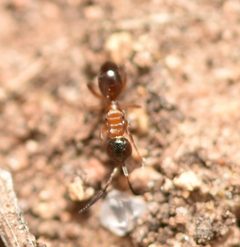
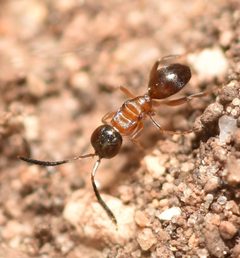
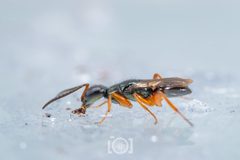
1Amisega is a of cuckoo wasps in the Chrysididae, Amiseginae. These small, metallic are known primarily from the Neotropical region and the southwestern United States. The genus was established by Cameron in 1888 and remains relatively poorly studied compared to other chrysidid genera. Members of Amiseginae are distinguished by their reduced wing venation and association with as .
Pronunciation
How to pronounce Amisega: /ˈæmɪsɛɡə/
These audio files are automatically generated. While they are not always 100% accurate, they are a good starting point.
Identification
Distinguished from other chrysidid by -level characters: reduced wing venation with simplified forewing structure, and association with (stick insects) as rather than bees or . Within Amiseginae, Amisega can be separated from related genera (such as Loboscelidia and Kiefferia) by genitalic and antennal characters, though precise identification requires specialized keys. The genus is most readily recognized in the field by its small size, metallic coloration, and Neotropical distribution combined with reduced wing venation visible under magnification.
Images
Habitat
Tropical and subtropical including forest edges, secondary growth, and areas where stick insects are present. Specific microhabitat associations are poorly documented but likely tied to vegetation supporting phasmid .
Distribution
Mexico, Belize, Brazil (West-central and Northeast regions), and Arizona (USA). The is primarily Neotropical with limited extension into the Nearctic region.
Host Associations
- Phasmatodea - Amiseginae are known to parasitize of stick insects; this association distinguishes the from other chrysidids
Ecological Role
Presumed of , potentially serving as a regulator of phasmid populations in tropical . The ecological impact is likely limited by the specialized association and relatively low abundance.
Human Relevance
No direct economic or medical significance. Of interest primarily to hymenopteran systematists and students of chrysidid . The specialized association with stick insects makes the relevant for understanding evolutionary transitions in host use.
Similar Taxa
- LoboscelidiaAlso in Amiseginae with reduced wing venation; distinguished by extremely elongated, lobed male and more slender body form
- KiefferiaAnother Amiseginae ; separation requires examination of male genitalia and antennal structure
- ChrysisIn Chrysidinae; distinguished by more complex wing venation with multiple closed in forewing, and are bees and rather than stick insects
More Details
Taxonomic history
The Amiseginae, including Amisega, has undergone significant taxonomic revision. Some authors have treated component as distinct or have questioned their placement within Chrysididae. Current consensus places Amiseginae as a subfamily of Chrysididae based on molecular and morphological data.
Research status
The is poorly represented in collections and has received limited modern taxonomic treatment. Most were described in the early 20th century, and the group would benefit from comprehensive revision incorporating molecular data.