
Cosmocomoidea morrilli
Howard, 1908
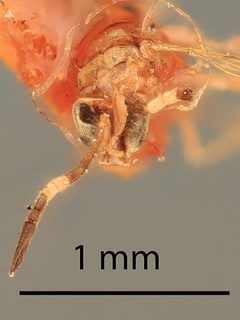
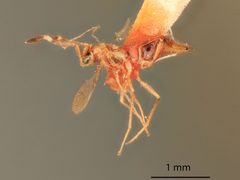
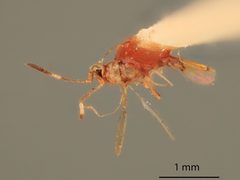
Cosmocomoidea morrilli is a of fairyfly in the Mymaridae, originally described by Howard in 1908. The species has undergone taxonomic revision, having been previously classified under the Gonatocerus. Like other members of Mymaridae, it is an , though specific associations for this species remain incompletely documented. The genus Cosmocomoidea was established to accommodate species formerly placed in Gonatocerus that share distinct morphological characteristics.
Pronunciation
How to pronounce Cosmocomoidea morrilli: /kɔzmɔkɔˈmɔɪdeɪə mɔˈrɪlaɪ/
These audio files are automatically generated. While they are not always 100% accurate, they are a good starting point.
Identification
Identification of C. morrilli requires examination of microscopic morphological features typical of Mymaridae, including wing venation patterns, segmentation, and body proportions. The can be distinguished from by genitalic and antennal characters detailed in taxonomic revisions. Specimens previously identified as Gonatocerus morrilli should be re-examined under current taxonomic concepts. Identification keys for Cosmocomoidea species are available in specialized taxonomic literature.
Images
Distribution
Records indicate presence in North America, though precise distribution data are limited due to historical taxonomic confusion with related and the general rarity of Mymaridae in standard insect collections.
Ecological Role
As a member of Mymaridae, this functions as an , contributing to natural regulation of insect . The specific ecological impact depends on host identity and abundance, which remain to be fully characterized for this species.
Human Relevance
The has potential relevance for programs targeting pest insects, though its utility has not been specifically evaluated. Taxonomic clarification of this and related species supports accurate assessment of diversity in agricultural and natural systems.
Similar Taxa
- Gonatocerus morrilliFormerly considered ; C. morrilli was transferred from Gonatocerus to Cosmocomoidea based on morphological distinctions established in taxonomic revisions of the group.
- Cosmocomoidea nigrifemurCongeneric sharing similar body plan and preferences; distinguished by subtle differences in antennal and genitalic .
More Details
Taxonomic history
This exemplifies the taxonomic instability that has characterized Mymaridae classification. The transfer from Gonatocerus to Cosmocomoidea reflects ongoing refinement of generic concepts within this challenging of minute .
Collection and study challenges
Like other Mymaridae, C. morrilli is exceptionally small (typically under 2 mm), requiring specialized collection techniques and microscopic examination. These factors contribute to underrepresentation in biodiversity surveys and incomplete knowledge of its .