
Rileyinae
Ashmead, 1904
Genus Guides
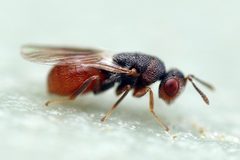
2Rileyinae is a of small within Eurytomidae (Chalcidoidea), comprising primarily associated with insect and gall-formers. Members include the Neorileya, known as endoparasitoids of eggs from diverse Hemipteran (Coreidae, Pentatomidae, Reduviidae) and even Tettigoniidae. The subfamily also includes Gatesina, a genus that parasitizes Eurytominae gall-formers in fruits of Myrtaceae. Rileyinae are typically minute (2-3 mm), solitary, and part of the 'micro-Hymenoptera' fauna.
Pronunciation
How to pronounce Rileyinae: //ˈraɪliː.ɪˌnaɪ//
These audio files are automatically generated. While they are not always 100% accurate, they are a good starting point.
Identification
Distinguishing Rileyinae from other Eurytomidae requires examination of morphological characters, particularly those related to gall-association and relationships. The Gatesina has conspicuous that supports its separation from related genera. Close phylogenetic relationship to Neorileya has been established through morphological and molecular analyses.
Images
Distribution
Neotropical region, with Neorileya ranging from central California to Argentina. Colombia specifically documented for Gatesina colombiana.
Host Associations
- Coreidae - endoparasitoid of including Thasus neocalifornicus (giant mesquite bug)
- Pentatomidae - endoparasitoid of
- Reduviidae - endoparasitoid of
- Tettigoniidae - endoparasitoid of katydids, taxonomically distant from other known
- Eurytominae - of gall-formersindirect association via of gall-formers in Myrtaceae fruits; Gatesina
Life Cycle
Complete occurs entirely within ; endoparasitoid development results in host death.
Behavior
Solitary lifestyle; females locate and oviposit into of insects.
Ecological Role
agent; regulates of Hemipteran pests and gall-forming insects through activity.
Human Relevance
Potential value in for agricultural pests, particularly stink bugs (Pentatomidae) and coreid .
Similar Taxa
- EncyrtidaeBoth include ; Rileyinae (Eurytomidae) distinguished by morphological characters and phylogenetic placement
- other Eurytomidae subfamiliesRileyinae specifically associated with and gall-former parasitism; other may have different relationships