
Zaischnopsis
Ashmead, 1904
Species Guides
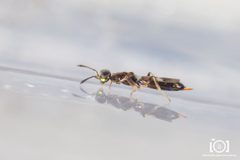
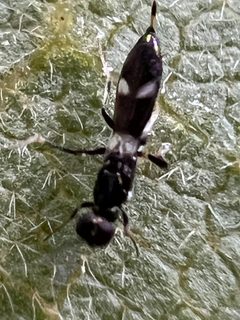
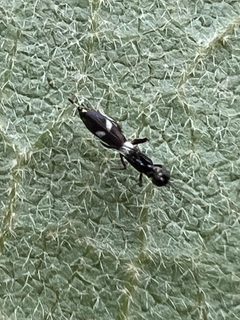
2Zaischnopsis is a of chalcid wasps in the Eupelmidae, established by Ashmead in 1904. These small belong to the diverse superfamily Chalcidoidea, one of the largest groups of parasitic Hymenoptera. in this genus are known primarily from taxonomic descriptions rather than ecological studies. The genus is distinguished from related eupelmids by specific morphological features of the mesosoma and metasoma.
Pronunciation
How to pronounce Zaischnopsis: /zaɪˈsknɒpsɪs/
These audio files are automatically generated. While they are not always 100% accurate, they are a good starting point.
Identification
Distinguished from the closely related Eupelmus by the structure of the mesopleural depression and the arrangement of setae on the propodeum. The metasomal petiole is typically shorter and broader than in Eupelmus. Antennal club segmentation differs from that of Anastatus, another eupelmid genus. Identification to level requires examination of microscopic features including wing venation details and male genitalia structure. Specimens are frequently misidentified as Eupelmus in general collections.
Images
Appearance
Small , usually 2-5 mm in length. Body typically dark in coloration with reduced or absent metallic sheen compared to some related . Mesosoma with distinct structure of the mesopleuron and propodeum. Metasoma with characteristic segmentation and, in females, an ovipositor structure adapted for access. Wings with reduced venation typical of Chalcidoidea. with specific segmentation patterns that distinguish the genus from closely related such as Eupelmus.
Distribution
Recorded from North America, Central America, and parts of South America. Distribution records are sparse due to limited collecting effort and the small size of specimens. Most documented occurrences are from the United States and Mexico.
Ecological Role
, likely attacking or stages of other insects based on -level characteristics. Specific relationships remain undocumented for most .
Human Relevance
No documented economic importance. Occasionally collected in biodiversity surveys and ecological studies. Not known as a agent, though some related eupelmids are used in pest management.
Similar Taxa
- EupelmusShares Eupelmidae and general body plan; distinguished by mesopleural structure and petiole proportions
- AnastatusAnother eupelmid with similar size and habits; separated by antennal and wing characteristics
More Details
Taxonomic history
The has undergone limited revision since its original description. -level is based primarily on morphological characters from limited type material.
Collection challenges
Specimens are rarely encountered in general insect collections due to their small size and specific microhabitat requirements. Specialized sampling methods such as yellow pan traps or sweeping vegetation are most effective.