
Epitranus
Walker, 1834
Species Guides
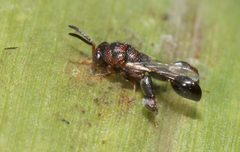
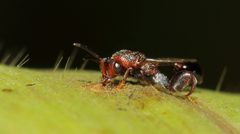
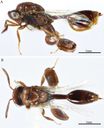
1Epitranus is a of in the Chalcididae and the sole representative of the Epitraninae. in this genus are distributed across tropical regions of the Old World, with some records from the Nearctic region. The genus includes at least 19 described species, with Epitranus clavatus (1804) being the oldest documented and Epitranus longicaudatus described in 2024. is incompletely known, though some species parasitize larvae in families Crambidae, Pyralidae, and Tineidae, and associations with and nests have been reported.
Pronunciation
How to pronounce Epitranus: /ɛˈpɪtrənəs/
These audio files are automatically generated. While they are not always 100% accurate, they are a good starting point.
Identification
As the only in Epitraninae, Epitranus can be distinguished from other chalcidid genera by -level morphological characters. Specific diagnostic features for the genus are not documented in available sources.
Images
Habitat
Tropical and subtropical environments. Some have been recorded in association with and nests.
Distribution
Primarily tropical regions of the Old World, including Africa, Australia, and the Indomalayan realm. Recorded in the Nearctic region, where Epitranus clavatus has been introduced. Specific distribution records include southern India (Kerala), Malaysia, Thailand, and Sulawesi (Indonesia).
Host Associations
- Phereoeca uterella (Lepidoptera: Tineidae) - pupal Epitranus uterellophagus parasitizes pupae of this household case-bearer
- Lepidoptera larvae (Crambidae, Pyralidae, Tineidae) - Some known to target larvae in these
- Ant nests - associationPossible myrmecophilous lifestyle indicated by nest associations
- Termite nests - associationPossible termitophilous lifestyle indicated by nest associations
Ecological Role
of larvae, potentially contributing to regulation of lepidopteran in tropical .
Similar Taxa
- Other Chalcididae generaEpitranus is distinguished by being the sole in Epitraninae; other chalcidid genera belong to subfamilies Chalcidinae, Brachymeriinae, or Haltichellinae
More Details
Taxonomic history
Epitranus clavatus, described by Fabricius in 1804, is the oldest documented in the . The genus was established by Walker in 1834. Epitranus longicaudatus was described in 2024 from the Indomalayan realm.
Data gaps
of most remains undocumented. Male specimens have been described for only some species (e.g., E. uterellophagus male described in 2021). relationships and details are known for few species.