
Calameuta
Konow, 1896
Species Guides
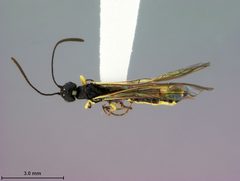
2Calameuta is a of stem sawflies ( Cephidae) established by Friedrich Wilhelm Konow in 1896. The genus comprises approximately 14 described distributed across Europe and North America. Members of this genus are associated with grasses and sedges, reflecting the family-wide ecological pattern of Cephidae. The genus is taxonomically stable and well-represented in entomological collections.

Pronunciation
How to pronounce Calameuta: //ˌkæləˈmjuːtə//
These audio files are automatically generated. While they are not always 100% accurate, they are a good starting point.
Identification
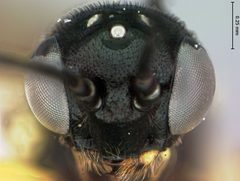
Calameuta are distinguished from other Cephidae by their slender, elongate bodies and reduced wing venation characteristic of the . Identification to species level typically requires examination of structure, coloration patterns, and male genitalia. They may be confused with Cephus (wheat stem sawflies) but differ in associations and subtle morphological features of the and antennae.
Images
Habitat
in this are found in grassland , meadows, and wetlands where their plants occur. They are specifically associated with habitats supporting grasses (Poaceae) and sedges (Cyperaceae).
Distribution
Europe and North America. Specific distribution records include Denmark, Norway, and Sweden.
Diet
Larvae feed internally within stems of grasses and sedges. do not feed; they rely on larval reserves.
Host Associations
- Poaceae - larval grasses
- Cyperaceae - larval sedges
Life Cycle
are inserted into plant stems. Larvae develop internally, feeding on pith tissue and creating galleries within stems. occurs within the stem or in soil. emerge to mate and oviposit.
Behavior
are active during daylight hours and are weak fliers. Females use their serrated ovipositors to penetrate plant stems for deposition.
Ecological Role
As stem-borers, larvae contribute to nutrient cycling in grassland . They may occasionally reach pest status in agricultural settings when grasses include cultivated .
Human Relevance
Some have been reported as minor pests in cereal crops. Calameuta haemorrhoidalis and related species have been noted in agricultural contexts. Otherwise of limited direct economic importance.
Similar Taxa
More Details
Taxonomic stability
The has remained taxonomically stable since its description, with no major revisions or synonymies affecting its circumscription. The type is Calameuta haemorrhoidalis (Fabricius, 1781).