
Calameuta middlekauffi
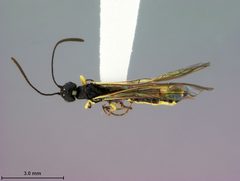
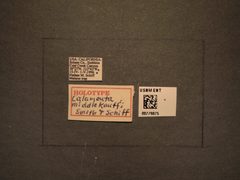
Calameuta middlekauffi is a of in the Cephidae. Like other members of this family, it is characterized by a cylindrical, -like body with a broad connection between the and , lacking the narrow 'wasp waist' of most other Hymenoptera. The species was described based on specimens from western North America. Very few observations of this species exist in public databases.
Pronunciation
How to pronounce Calameuta middlekauffi: //ˌkæləˈmjuːtə mɪˌdɪlˈkaʊfi//
These audio files are automatically generated. While they are not always 100% accurate, they are a good starting point.
Identification
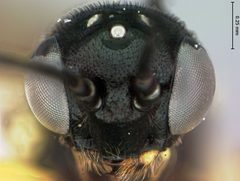
Calameuta middlekauffi can be distinguished from other Cephidae by the combination of: a cylindrical body form with the and broadly joined; with relatively few segments compared to other ; and reduced wing venation. Within the Calameuta, specific identification requires examination of antennal structure and genitalia. It lacks the constricted petiole between thorax and abdomen that characterizes most other Hymenoptera.
Images
Distribution
Known from western North America. The type locality and specific range boundaries have not been extensively documented in accessible literature.
Ecological Role
Similar Taxa
- Cephus cinctusBoth are Cephidae with cylindrical body form, but C. cinctus is a well-known pest of wheat with a documented Palearctic and Nearctic distribution; C. middlekauffi has been recorded only from western North America.
- Other Hymenoptera (families Apocrita)Most other Hymenoptera have a narrow petiole (' waist') between and ; Cephidae including C. middlekauffi lack this constriction and have a broad thorax-abdomen junction.