
Triepeolus distinctus
(Cresson, 1878)
Triepeolus distinctus is a cleptoparasitic cuckoo bee in the Apidae, Nomadinae. As a member of the tribe Epeolini, it is a of other bees, likely targeting in the family Apidae such as long-horned bees (Eucerini). The occurs in North America, though specific details about its and host associations remain limited in published literature.
Pronunciation
How to pronounce Triepeolus distinctus: //traɪˈiːpiəˌləs dɪˈstɪŋktəs//
These audio files are automatically generated. While they are not always 100% accurate, they are a good starting point.
Identification
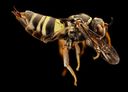
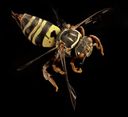
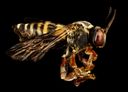
Triepeolus are distinguished from other cuckoo bees by their robust body form, often with banded or spotted abdominal coloration. Within the , T. distinctus may be recognized by specific patterns of pale and dark markings, though precise diagnostic features require examination of detailed morphological characters. Members of Triepeolus resemble Epeolus but typically have a more convex scutellum and different patterns of integumental punctation.
Images
Distribution
North America. Specific range details beyond this continental-level occurrence are not well documented in available sources.
Host Associations
- Eucerini - probable Members of Triepeolus are primarily associated with long-horned bees in the tribe Eucerini, though specific records for T. distinctus are not confirmed in available literature.
Behavior
As a cleptoparasitic , females enter nests and deposit in provisioned by the host. The Triepeolus larva consumes the host's pollen and nectar stores and typically kills the host larva. This parasitic lifestyle eliminates the need for pollen collection or nest construction.
Ecological Role
Acts as a of other bees, potentially regulating of . Contributes to bee dynamics through parasitic pressure on host populations.
Similar Taxa
- EpeolusSimilar appearance as cleptoparasitic bees with banded , but Epeolus typically have a flatter scutellum and different punctation patterns on the and abdomen.
- NomadaAnother of cuckoo bees in Nomadinae, but Nomada are generally more slender with different color patterns and are primarily associated with Andrenidae rather than Apidae.
More Details
Taxonomic placement
Triepeolus distinctus was described by Cresson in 1878 and is classified in the tribe Epeolini within the cleptoparasitic Nomadinae. The Triepeolus contains approximately 40 described in North America.
Observation records
The has 24 observation records on iNaturalist as of the data retrieval date, indicating it is documented but not frequently encountered.
Sources and further reading
- BugGuide
- Wikipedia
- GBIF taxonomy match
- iNaturalist taxon
- NCBI Taxonomy
- Catalogue of Life
- The Native Bees in the UC Davis Bee Haven | Bug Squad
- What Native California Plants Are Best for Attracting Pollinators? | Bug Squad
- A “leafless” leaf-footed bug | Beetles In The Bush
- Bug Eric: White Prairie Clover: An Awesome Blossom
- Bug Eric: Grand Finale
- Evidence for Biodiversity Insurance Hypothesis: More Species Are Indeed Beneficial