Epeolus lectoides
Robertson, 1901
Sumac Cellophane-Cuckoo, cuckoo bee
Epeolus lectoides is a of cuckoo bee in the Apidae. It is a that lays its in the nests of bees rather than building its own nest or collecting pollen. The species is found in North America and has been documented using Colletes latitarsis and Colletes nudus as hosts.
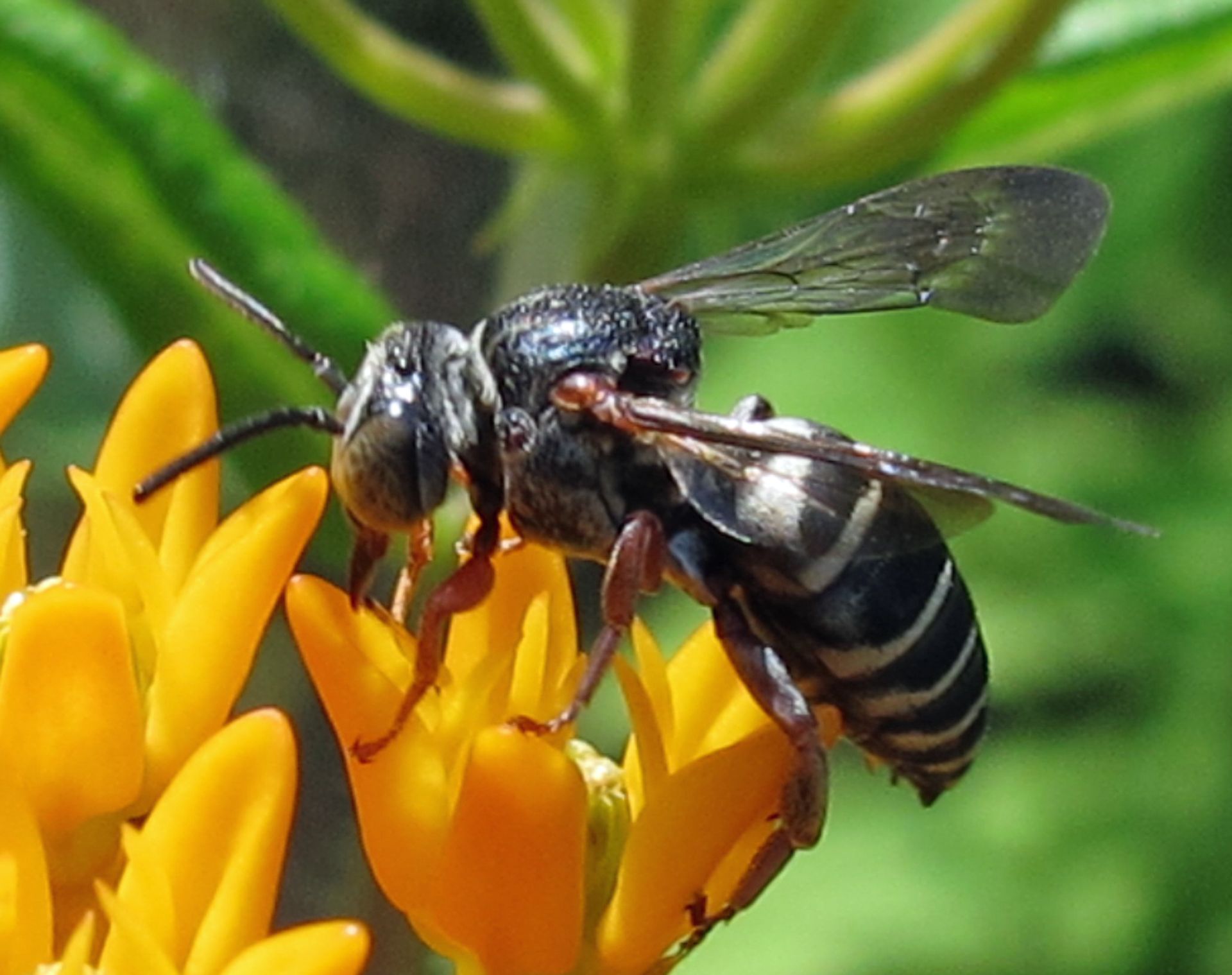
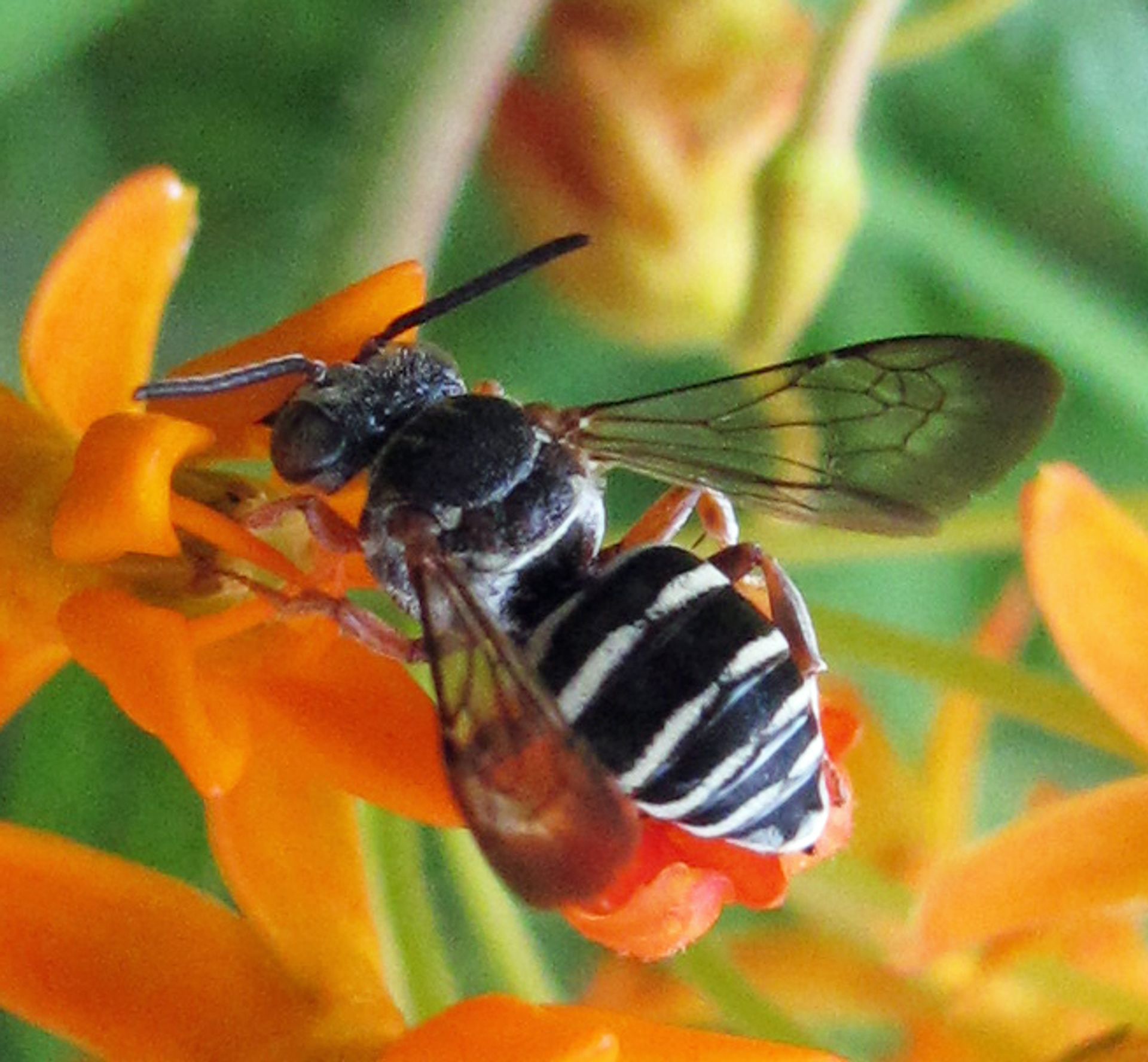
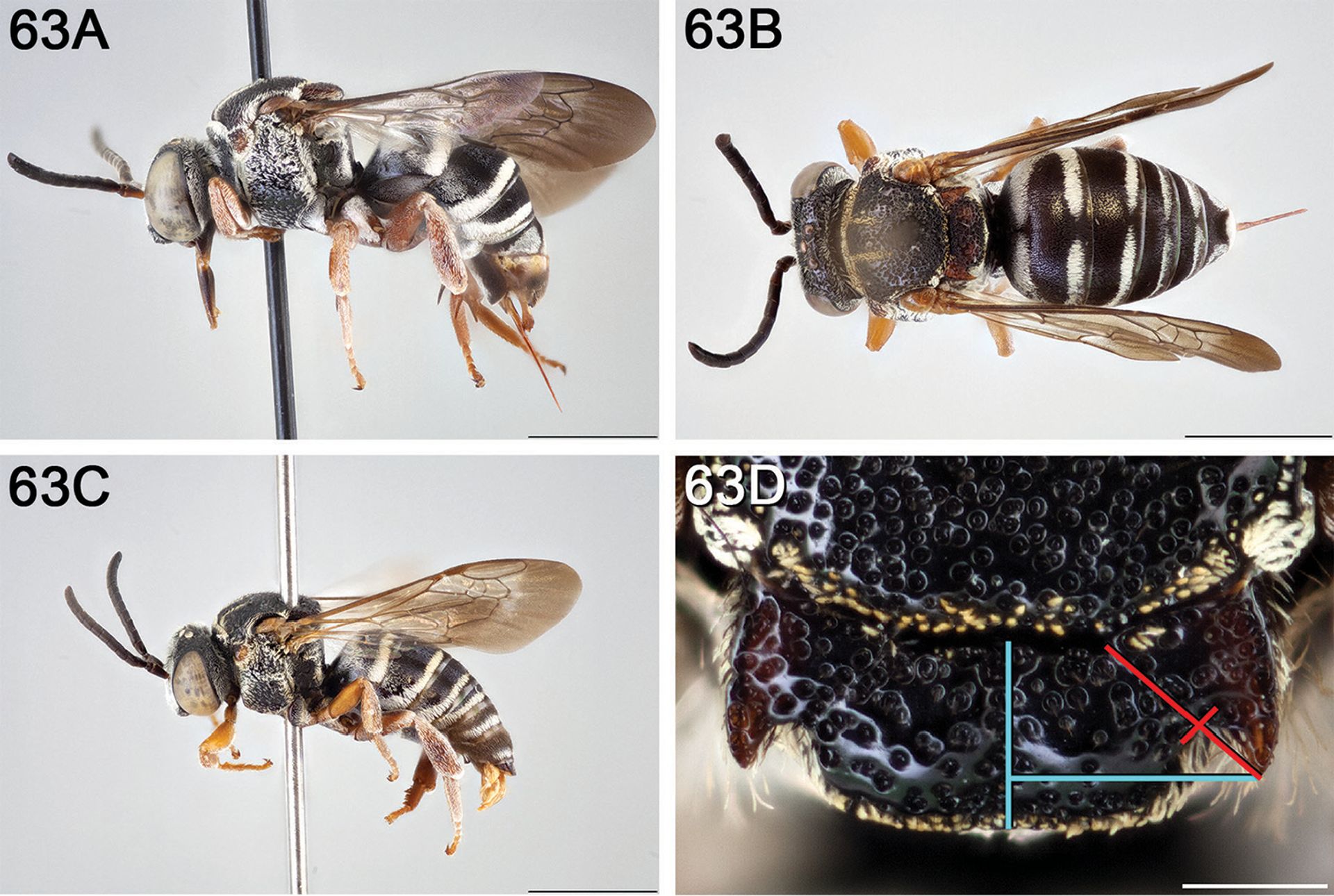
Pronunciation
How to pronounce Epeolus lectoides: /ɛˈpiːələs lɛkˈtɔɪdiːz/
These audio files are automatically generated. While they are not always 100% accurate, they are a good starting point.
Images
Distribution
North America. Specific locality records are sparse, but the has been documented across the continent.
Host Associations
- Colletes latitarsis - nest Documented as a for this cleptoparasitic
- Colletes nudus - nest Documented as a for this cleptoparasitic
Behavior
As a cuckoo bee, Epeolus lectoides exhibits cleptoparasitic , laying in the nests of . The larvae are presumed to kill the host egg or larva and consume the pollen stores provisioned by the host female.
More Details
Taxonomic note
The specific epithet 'lectoides' suggests a resemblance to another , likely Epeolus lectus or a related form. The species was described by Charles Robertson in 1901.