
Epeolus glabratus
Cresson, 1878
Smooth Cellophane-cuckoo Bee
Epeolus glabratus is a of cuckoo bee in the Apidae. As a , females lay in the nests of bees rather than constructing their own nests or collecting pollen. The species is found in North America. Like other members of the Epeolus, it likely targets nests of polyester bees in the genus Colletes, though specific host associations for this species remain poorly documented.
Pronunciation
How to pronounce Epeolus glabratus: /iːˈpiːələs ɡlæˈbreɪtəs/
These audio files are automatically generated. While they are not always 100% accurate, they are a good starting point.
Identification
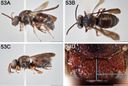
Specific identification criteria for E. glabratus are not well-documented in available literature. The can be distinguished from other Epeolus species by examination of morphological characters, particularly male genitalia and other fine structural features, though these require taxonomic expertise. The smooth (glabrous) appearance implied by the specific epithet may aid in field recognition, but confirmation requires reference to the original description (Cresson, 1878) or specialist keys.
Images
Habitat
Distribution
Recorded from North America. Specific range details beyond this continental-level distribution are not available in the provided sources.
Host Associations
- Colletes - Inferred from -level ; specific for E. glabratus not documented
Life Cycle
As a cleptoparasitic , the involves females locating nests and depositing within them. Larvae hatch and consume the host egg or larva, then feed on the pollen provisions stored by the host female. Specific details of developmental timing and stages for E. glabratus are not documented.
Behavior
General cleptoparasitic typical of the : females search for nests, enter to deposit , and do not construct nests or collect pollen. Males likely patrol nesting areas seeking females, as observed in related Epeolus .
Ecological Role
Acts as a natural control on . As a , it contributes to bee dynamics and may serve as an indicator of healthy host populations.
Human Relevance
No documented direct economic or agricultural significance. Like other native bees, contributes to function and biodiversity. The has been recorded on iNaturalist, indicating some level of citizen science documentation.
Similar Taxa
- Epeolus attenboroughiRecently described congeneric from western North America (Colorado, New Mexico); E. glabratus differs in distribution and specific morphological characters
- Other Epeolus speciesNumerous in North America (43 total) require careful examination of structural characters, particularly male genitalia, for definitive identification
- Nomada speciesAnother of cuckoo bees with similar cleptoparasitic lifestyle and -like appearance; distinguished by different morphological details and often different associations
More Details
Taxonomic history
Described by Ezra Townsend Cresson in 1878. The specific epithet 'glabratus' refers to the smooth or relatively hairless appearance of this compared to other bees.
Data availability
This is notably data-deficient compared to some . Only 10 observations recorded on iNaturalist as of the source date, suggesting it is either genuinely rare, undercollected, or difficult to detect due to its cleptoparasitic lifestyle.
Conservation status
Not formally assessed; insufficient data available to evaluate trends or conservation needs.