
Prociphilus tessellatus
(Fitch, 1851)
Woolly Alder Aphid, Maple Blight Aphid
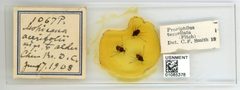
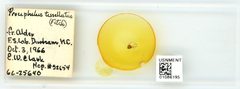
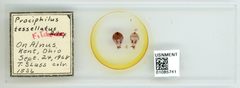
Prociphilus tessellatus, commonly known as the woolly alder aphid, is a of in the Aphididae. It is notable for producing dense white, waxy filaments that cover its body, giving it a distinctive woolly or cloud-like appearance. The species has been observed forming colonies on alder (Alnus) species, including European alder (Alnus glutinosa). It serves as prey for various , including the Asian lady beetle (Harmonia axyridis). The waxy secretions are believed to provide protection against predators and environmental conditions.
Pronunciation
How to pronounce Prociphilus tessellatus: /proʊˈsɪfɪləs tɛsəˈleɪtəs/
These audio files are automatically generated. While they are not always 100% accurate, they are a good starting point.
Identification
Distinguished from other aphids by its dense covering of white, waxy filaments that create a woolly or fluffy appearance. These secretions are produced from the 's own body rather than collected from the environment. The waxy coating distinguishes it from non-woolly aphid and from other insects that use environmental debris for camouflage.
Images
Habitat
Associated with alder trees (Alnus ), including European alder (Alnus glutinosa). Observed in dry-mesic upland deciduous forest settings where trees occur.
Distribution
Recorded from Vermont and other parts of the United States. Observed in Missouri at Johnson's Shut-Ins State Park.
Diet
Feeds on phloem sap of alder trees (Alnus ).
Host Associations
- Alnus glutinosa - European alder; observed colony formation on this
- Alnus - Alder ; primary association
Behavior
Forms colonies on trees. Produces white waxy secretions that cover the body.
Ecological Role
Serves as prey for predatory insects, including lady beetles. The waxy secretions may contribute to a mimicry complex with other waxy-coated insects and young plant tissues.
Similar Taxa
- Other woolly aphids (Eriosomatinae)Similar waxy filament production; distinguished by association and specific waxy coating characteristics
- Flatid plant-hoppers (Flatidae)Also produce white waxy secretions; distinguished by different body plan and associations