
Symydobius americanus
Baker, 1918
Dark birch aphid
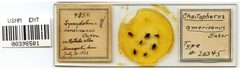
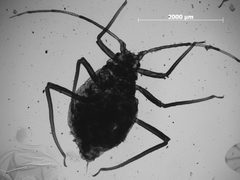
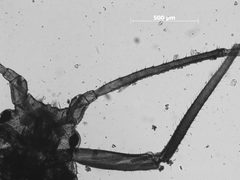
Symydobius americanus is a small in the Aphididae, commonly known as the dark birch aphid. It is specifically associated with birch trees (Betula species), particularly paper birch (Betula papyrifera). The species has been studied in the context of plant-mediated interactions between leaf-chewing herbivores and phloem-feeding insects, with research showing that prior caterpillar damage to leaves does not significantly affect aphid colony performance.
Pronunciation
How to pronounce Symydobius americanus: /sɪˌmaɪˈdoʊbiəs æˌmɛrɪˈkeɪnəs/
These audio files are automatically generated. While they are not always 100% accurate, they are a good starting point.
Images
Habitat
Associated with paper birch (Betula papyrifera) and likely other birch . Occurs on living birch branches where it feeds on phloem sap.
Distribution
North America; specific range details not well documented in available sources.
Diet
Phloem sap from birch trees (Betula ), specifically documented on paper birch (Betula papyrifera).
Host Associations
- Betula papyrifera - primary paper birch; confirmed plant
More Details
Taxonomic status
Listed as accepted in GBIF, though Catalogue of Life notes it as a synonym. Further taxonomic verification may be needed.
Research context
The has been used as a model organism in studies examining indirect plant-mediated interactions between different herbivore guilds, specifically testing whether caterpillar leaf damage affects subsequent performance.
Sources and further reading
- BugGuide
- GBIF taxonomy match
- iNaturalist taxon
- NCBI Taxonomy
- Catalogue of Life
- Congratulations, UC Davis Linnaean Games Team: National Champs! | Bug Squad
- Oklahoma is More than OK for Burying Beetles
- Bug Eric: A Couple of Weirdos
- Emerald Ash Borer Infestation of White Fringetree Found to be Widespread
- North America’s itsiest bitsiest longhorned beetle | Beetles In The Bush
- Silphidae | Beetles In The Bush
- Performance of Symydobius americanus (Homoptera: Aphididae) on paper birch grazed by caterpillars