
Euceraphis
Walker, 1870
Birch Aphids
Species Guides
4- Euceraphis gillettei(American Alder Aphid)
- Euceraphis mucida
- Euceraphis papyrifericola(Paper Birch Aphid)
- Euceraphis punctipennis(downy birch aphid)
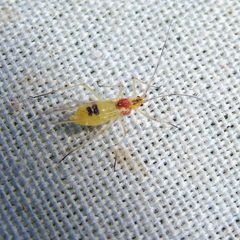
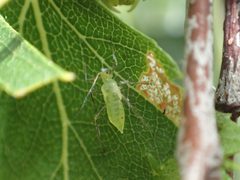
Euceraphis is a of aphids in the Aphididae, commonly known as birch aphids. are strictly associated with birch trees (Betula spp.) as plants, with different species showing specificity to particular birch species. The genus occurs in Europe and North America, with taxonomic revisions distinguishing multiple cryptic species based on karyotype, , and host associations.
Pronunciation
How to pronounce Euceraphis: /juːˈsɛrəfɪs/
These audio files are automatically generated. While they are not always 100% accurate, they are a good starting point.
Identification
Distinguished from other by association with birch and specific morphological characters. -level identification requires examination of karyotype, morphometric analysis of wax gland development, pigmentation patterns, and host plant identity. E. betulae is associated with Betula pendula, while E. punctipennis is primarily associated with Betula pubescens. A diagnostic key to viviparae is available for genus identification.
Images
Habitat
Associated exclusively with birch trees (Betula spp.), including B. pendula, B. pubescens, B. glandulosa, B. nana, B. papyrifera, and B. occidentalis. Occurs on foliage of trees.
Distribution
Europe and North America. Specific distribution records include Denmark, Norway, and Sweden.
Diet
Phloem sap from birch leaves.
Host Associations
- Betula pendula - primary Associated with E. betulae
- Betula pubescens - primary Associated with E. punctipennis
- Betula glandulosa - primary Associated with E. borealis
- Betula nana - primary Associated with E. borealis
- Betula papyrifera - primary Associated with E. papyrifericola
- Betula occidentalis - primary Associated with E. quednaui
Similar Taxa
- Other Calaphidinae aphidsSimilar but differ in plant specificity; Euceraphis is restricted to Betula while related may occur on other host plants.
More Details
Taxonomic complexity
The has undergone significant taxonomic revision. Formerly, E. betulae and E. punctipennis were considered a single . Additional cryptic species have been described based on karyotype and -specificity: E. borealis, E. papyrifericola, and E. quednaui.
Host-mediated interactions
E. betulae survival is reduced on birch foliage damaged by winter moth (Operophtera brumata) larvae, indicating potential indirect competition between these herbivores through effects on plant quality.
Sources and further reading
- BugGuide
- Wikipedia
- GBIF taxonomy match
- iNaturalist taxon
- NCBI Taxonomy
- Catalogue of Life
- Morphometric correlates of karyotype and host plant in genus Euceraphis (Hemiptera: Aphididae)
- Host‐mediated effects of feeding by winter moth on the survival of Euceraphis betulae
- The existence of two species of Euceraphis (Homoptera: Aphididae) on birch in Western Europe, and a key to European and North American species of the genus