
Sehirus
Amyot & Serville, 1843
burrower bugs, negro bugs
Species Guides
1- Sehirus cinctus(white-margined burrower bug)
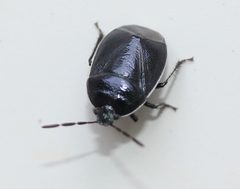
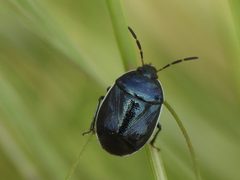
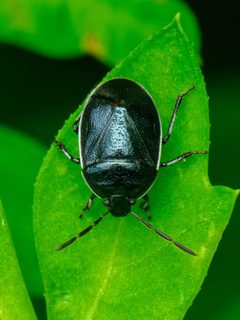
Sehirus is a of burrower bugs in the Cydnidae, comprising 15 described distributed primarily across the Palearctic and Nearctic regions. The genus is notable for exhibiting subsocial , particularly well-documented in Sehirus cinctus, where females provide extended maternal care including guarding and post-hatching provisioning of nymphs for approximately two weeks. These insects are associated with soil-dwelling habits and have been recorded from various substrates including burrows in ground vegetation.
Pronunciation
How to pronounce Sehirus: /sɛˈhaɪrəs/
These audio files are automatically generated. While they are not always 100% accurate, they are a good starting point.
Images
Habitat
Soil-dwelling; associated with burrowing habits in ground substrate and vegetation. Specific microhabitat requirements vary by but generally involve burrows in soil or leaf litter.
Distribution
Palearctic and Nearctic regions. GBIF records indicate presence in Denmark, Norway, Sweden, and Vermont, United States. -level distributions vary: Sehirus cinctus occurs in North America; Sehirus morio and other species are Palearctic.
Life Cycle
In Sehirus cinctus, females guard until hatching, then attend and provision offspring for approximately two weeks post-hatching. stages have been described for at least S. cinctus cinctus. Developmental details for other are not well documented.
Behavior
Subsocial maternal care is the defining behavioral trait of this . Females exhibit -, defensive toward eggs and nymphs, and active food provisioning to offspring. Maternal responsiveness can be chemically modified by antagonists. Nymphs emit condition-dependent chemical signals (including α-pinene and camphene) that influence maternal food provisioning rates.
Human Relevance
Sehirus cinctus has been recorded in association with (Apis mellifera) colonies, though the nature of this interaction requires further study. No significant economic impact documented.
Similar Taxa
- Other Cydnidae generaSehirus can be distinguished by its placement in Sehirinae; other in Cydninae or other subfamilies lack the specific combination of morphological traits and documented subsocial maternal care characteristic of Sehirus.
More Details
Species diversity
The contains 15 described : S. aeneus, S. carpathiensis, S. cinctus, S. cypriacus, S. dissimilis, S. luctuosus, S. lygaeus, S. morio, S. ovatus, S. paludosus, S. parens, S. planiceps, S. robustus, S. spinitibialis, and S. tibialis.
Research significance
Sehirus cinctus serves as an important model organism for studying the evolution and hormonal regulation of maternal care in insects, representing one of the few hemipteran systems with well-documented subsocial .
Sources and further reading
- BugGuide
- Wikipedia
- GBIF taxonomy match
- iNaturalist taxon
- NCBI Taxonomy
- Factors influencing maternal behaviour in a burrower bug,Sehirus cinctus(Heteroptera: Cydnidae)
- Insights into the costs of complex maternal care behavior in the burrower bug (Sehirus cinctus)
- Precocene II modifies maternal responsiveness in the burrower bug, Sehirus cinctus (Heteroptera)
- Concaveation and maintenance of maternal behavior in a burrower bug (Sehirus cinctus): A comparative perspective.
- Concaveation and maintenance of maternal behavior in a burrower bug (Sehirus cinctus): A comparative perspective.
- Life History and Laboratory Rearing of Sehirus cinctus cinctus (Hemiptera: Cydnidae), with Descriptions of Immature Stages1
- Maternal food provisioning in relation to condition-dependent offspring odours in burrower bugs (Sehirus cinctus)
- New Plant Host Record and First Record of the Burrower BugSehirus cinctus(Palisot de Beauvois) (Hemiptera: Cydnidae) Associating with Honey Bees,Apis melliferaL. (Hymenoptera: Apidae)