
Lygaeospilus
Barber, 1921
Species Guides
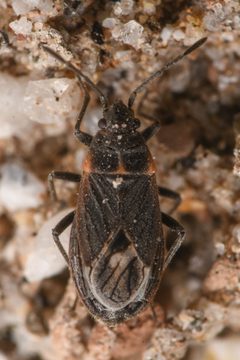
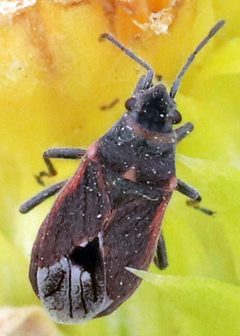
3Lygaeospilus is a of seed bugs in the Lygaeidae, established by Barber in 1921. The genus comprises at least four described distributed across North America. These true bugs belong to the suborder Heteroptera and are characterized by their seed-feeding typical of the family Lygaeidae.
Pronunciation
How to pronounce Lygaeospilus: //laɪˌɡiːoʊˈspaɪləs//
These audio files are automatically generated. While they are not always 100% accurate, they are a good starting point.
Identification
Members of Lygaeospilus can be distinguished from other Lygaeidae by specific morphological features, though detailed diagnostic characters require examination of and original descriptions. The four described (L. brevipilus, L. fusconervosus, L. pusio, and L. tripunctatus) differ in features such as body size, punctation patterns, and wing venation as indicated by their specific epithets and original descriptions.
Images
Distribution
of Lygaeospilus have been recorded in North America. Lygaeospilus tripunctatus was described from Dallas (1852) with type locality in Texas, and L. pusio was described by Stål (1874). L. fusconervosus (Barber, 1948) and L. brevipilus (Scudder, 1981) represent more recently described North American species.
Similar Taxa
- LygaeusBoth belong to the Lygaeinae and share general body plan and seed-feeding habits; Lygaeospilus are generally smaller and less conspicuously marked than the often boldly patterned Lygaeus species such as the milkweed Lygaeus kalmii.
- OncopeltusAnother lygaeine with aposematic coloration; Oncopeltus are larger, frequently orange and black, and associated with milkweeds (Asclepias), whereas Lygaeospilus species lack such striking coloration and have different associations.
More Details
Taxonomic history
The was established by Barber in 1921. have been added over time, with the most recent description being L. brevipilus by Scudder in 1981. The genus has received limited modern taxonomic revision.
Specimen records
As of the data sources reviewed, iNaturalist records 177 observations for this , indicating it is documented with moderate frequency in citizen science platforms, though many records may not be identified to level.