
Kleidocerys resedae
(Panzer, 1793)
birch catkin bug
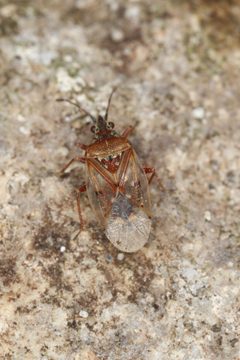
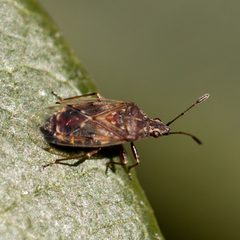
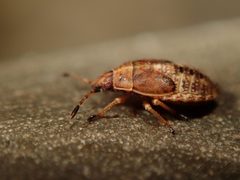
Kleidocerys resedae, commonly known as the birch catkin , is a small in the Lygaeidae. It has a Holarctic distribution spanning Europe, Northern Asia, and North America. The is associated with birch and ericaceous shrubs, where it feeds on developing seeds and reproductive structures. in Maine, USA, exhibit a with in leaf litter.
Pronunciation
How to pronounce Kleidocerys resedae: //ˌklaɪdoʊˈsɪriːz rɪˈsiːdiː//
These audio files are automatically generated. While they are not always 100% accurate, they are a good starting point.
Identification
A small lygaeid , typically under 5 mm in length. Distinguished from other Kleidocerys and similar lygaeids by association with birch catkins and ericaceous ; precise morphological diagnostic features require examination.
Images
Habitat
Associated with European white birch (Betula pendula) and ericaceous shrubs including blueberry (Vaccinium angustifolium), sheep laurel (Kalmia angustifolia), and Labrador tea (Ledum groenlandicum). Overwinters as in leaf litter.
Distribution
Europe and Northern Asia (excluding China); North America including Maine, USA.
Seasonality
Nymphal development occurs from late May through July; present from mid-July through September; adults emerge in spring.
Diet
Developing seeds and reproductive structures of plants, primarily birch and ericaceous shrubs.
Host Associations
- Betula pendula - primary European white birch; feeding on catkins and seeds
- Vaccinium angustifolium - blueberry
- Kalmia angustifolia - sheep laurel
- Ledum groenlandicum - Labrador tea
Life Cycle
Two per year in Maine, USA, with a partial third generation possible. Nymphal development late May through July. present mid-July through September. Overwinters as adults in leaf litter. Females deposit in rows on leaves, stems, and leaf petioles.
Behavior
Overwinters as in leaf litter. Females deposit in rows on plant surfaces including leaves, stems, and petioles.
Ecological Role
Seed on birch and ericaceous shrubs; may influence seed set of plants.
Human Relevance
Occasional incidental presence in blacklight surveys; not known as a significant pest or beneficial in agriculture.
Similar Taxa
- Other Kleidocerys species-level similarity; requires examination for definitive identification
- Other small Lygaeidae associated with catkinsSimilar use and seed-feeding