
Salda
Fabricius, 1803
shore bugs
Species Guides
4Salda is a of shore bugs in the Saldidae, comprising approximately 18 described . These small predatory insects inhabit moist shoreline environments where they actively hunt for prey. As members of the true bugs (Hemiptera), they possess adapted for feeding on other small . The genus was established by Fabricius in 1803 and represents a well-defined group within the shore bug family.
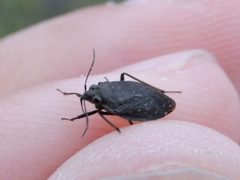
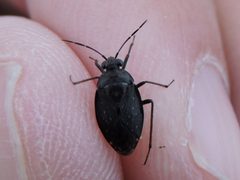
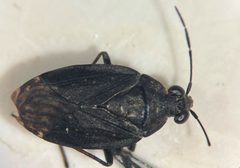
Pronunciation
How to pronounce Salda: /ˈsæl.də/
These audio files are automatically generated. While they are not always 100% accurate, they are a good starting point.
Images
Habitat
Moist shoreline environments including lake margins, riverbanks, and seashores. These provide the combination of water access and exposed substrate that shore bugs require for foraging and .
Distribution
Recorded from Denmark, Norway, and Sweden based on GBIF distribution records. The has a broader distribution across the Holarctic region, though specific country records require verification.
Diet
Predatory, feeding on small captured in shoreline . Prey items include various small arthropods and other invertebrates found in the intertidal or moist edge zones of aquatic systems.
Behavior
Active that forage on exposed moist substrates near water bodies. Shore bugs in this are known for their quick movements and ability to exploit the narrow between aquatic and terrestrial environments.
Ecological Role
in shoreline , contributing to regulation of small in moist edge . Their presence indicates healthy shoreline with intact moisture gradients.
Similar Taxa
- Other Saldidae generaShare -level characteristics including shore preference and general body form; -level and -level identification requires examination of genitalia and detailed morphological features
Sources and further reading
- BugGuide
- Wikipedia
- GBIF taxonomy match
- iNaturalist taxon
- NCBI Taxonomy
- Catalogue of Life
- Captive-bred population could save endangered crocodile from extinction
- Study on mysterious Amazon porcupine can help its protection
- Uncategorized | Blog - Part 35
- Morphospace, composition and texture of Lake Salda microbialites
- Microbiologically Influenced Corrosion of Aerospace-Grade Aluminum by SRB-Enriched Biofilms Isolated from the Mars Analog Lake Salda.