
Aquarius remigoides
Gallant & Fairbairn, 1996
Aquarius remigoides is a of water strider in the Gerridae, described in 1996. It belongs to the large-bodied Aquarius, which includes several North American species. The species is distinguished from by morphological features related to its wing structure and body proportions. Like other members of Gerridae, it is adapted for life on the water surface.
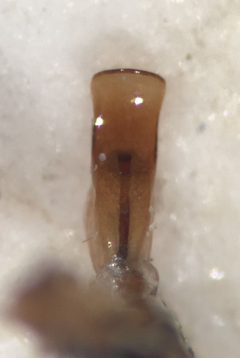
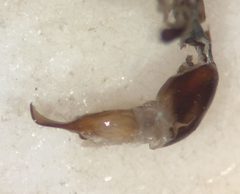
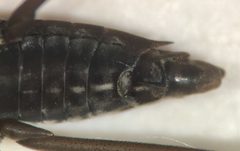
Pronunciation
How to pronounce Aquarius remigoides: /əˈkwɛəriəs rɛmɪˈɡɔɪdiːz/
These audio files are automatically generated. While they are not always 100% accurate, they are a good starting point.
Identification
Distinguished from other Aquarius by wing ; the specific epithet 'remigoides' refers to its oar-like or remigium-like wing characteristics. The species was originally described based on differences from the closely related A. remigis. Detailed examination of wing venation and body proportions is required for positive identification.
Images
Habitat
Freshwater surface , including streams, rivers, and ponds. As a member of the Aquarius, it likely occupies larger, more permanent water bodies compared to smaller gerrid genera.
Distribution
North America. The has been documented in regions where it occurs sympatrically with A. remigis, from which it was originally distinguished.
Behavior
Surface-dwelling, using surface tension to walk on water. As with other Aquarius , males likely engage in active mate guarding and territorial on the water surface.
Ecological Role
on small and insects trapped on the water surface; serves as prey for fish, birds, and other aquatic predators. Contributes to nutrient transfer across the air-water interface.
Similar Taxa
- Aquarius remigisClosely related sympatric from which A. remigoides was distinguished; differs in wing and body proportions
- Other Aquarius speciesRequires careful examination of male genitalia and wing characteristics for differentiation
More Details
Taxonomic history
Described by Gallant and Fairbairn in 1996, this was separated from the widespread A. remigis based on morphological and genetic differences, representing a case of cryptic diversity within the