
Herdoniini
Genus Guides
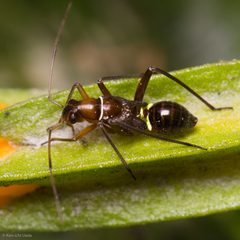
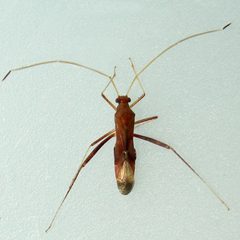
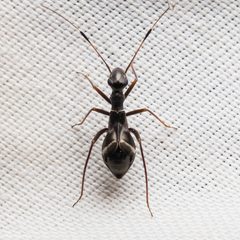
7Herdoniini is a tribe of plant bugs within the Miridae, Mirinae. The tribe comprises approximately eight and more than thirty described , though some sources cite fewer described species. Genera include Barberiella, Closterocoris, Cyphopelta, Dacerla, Heidemanniella, Mexicomiris, Paradacerla, and Paraxenetus. Members are small to medium-sized true bugs with the characteristic of the family.
Pronunciation
How to pronounce Herdoniini: //hɛrˈdoʊ.niˌaɪ.naɪ//
These audio files are automatically generated. While they are not always 100% accurate, they are a good starting point.
Identification
Herdoniini can be distinguished from related mirid tribes by genitalic characters, particularly male paramere structure and female patterns. The tribe is placed in Mirinae based on pretarsal structure and trichobothrial arrangement. -level identification requires examination of male genitalia; external is often insufficient due to convergent body forms across mirid tribes.
Images
Distribution
The tribe has a primarily New World distribution. Mexicomiris is restricted to Mexico. Several including Closterocoris and Cyphopelta occur in North America. Dacerla and related genera have Neotropical distributions. The full range of the tribe extends from the southern United States through Mexico and into Central and South America.
Similar Taxa
- MiriniBoth tribes occur in Mirinae and share general body plan; Herdoniini differs in male genitalic structure and geographic concentration in the New World versus the more Mirini.
- StenodeminiAnother Mirinae tribe with superficially similar elongate body forms; distinguished by pretarsal and genitalic characters, with Stenodemini often associated with grasses rather than the woody plant associations common in Herdoniini.
More Details
Taxonomic Uncertainty
The number of described in Herdoniini is inconsistently reported across sources, ranging from approximately 10 to more than 30. This discrepancy likely reflects incomplete taxonomic revisions and varying treatments of synonymy. The tribe has received limited modern systematic study compared to larger mirid tribes.
Genus Endemism
Several Herdoniini show restricted distributions: Mexicomiris is to Mexico, and Heidemanniella appears limited to the Neotropics. This pattern suggests the tribe may have originated and diversified in the New World tropics and subtropics.