
Paradacerla
Carvalho & Usinger, 1957
Species Guides
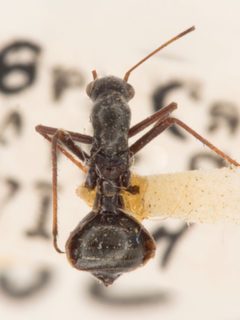
1Paradacerla is a of plant bugs in the Miridae, established by Carvalho and Usinger in 1957. The genus belongs to the diverse mirid fauna of the Western Hemisphere. Very few records exist for this genus, with only one observation documented on iNaturalist. The taxonomic placement within Miridae indicates it is part of the large radiation of true bugs associated with vegetation.
Pronunciation
How to pronounce Paradacerla: //ˌpærəˈdeɪsərlə//
These audio files are automatically generated. While they are not always 100% accurate, they are a good starting point.
Identification
Identification to requires examination of male genitalia and other subtle morphological characters used in mirid . No published diagnostic features distinguishing Paradacerla from related genera are readily available in accessible literature.
Images
Distribution
The has been documented in the Western Hemisphere based on type material and limited subsequent records. Specific country or regional records are not well established in accessible databases.
Similar Taxa
More Details
Taxonomic obscurity
Paradacerla represents a poorly known element of mirid diversity. The original description by Carvalho and Usinger (1957) appeared in a publication focused on the Dacerla, and Paradacerla was likely established for previously misplaced in that genus or representing allied forms. The type species and number of included species are not readily retrievable from major biodiversity databases.
Data deficiency
The single iNaturalist observation and absence of Wikipedia summary indicate this has attracted minimal research or public attention. This pattern is common for small, morphologically cryptic mirid genera described in mid-20th century taxonomic revisions that have not been subsequently revised with modern methods.