
Athysanella
Baker, 1898
Species Guides
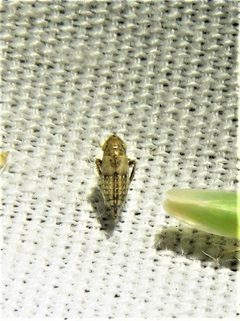
16Athysanella is a of leafhoppers in the tribe Chiasmini, Cicadellidae. The genus is monophyletic and distinguished from the related genus Icaia by several derived characters of the male genitalia. Most are found in the New World. The genus contains subgenera including Athysanella (Athysanella) and Athysanella (Amphipyga), with subgenus A. (Diphipyga) restricted to three species retaining plesiomorphic genitalia characters.
Pronunciation
How to pronounce Athysanella: /æθɪˈsænɛlə/
These audio files are automatically generated. While they are not always 100% accurate, they are a good starting point.
Identification
Athysanella can be distinguished from the related Icaia by derived characters of the male genitalia that unite most currently placed in the genus. Three species in subgenus A. (Diphipyga)—A. mexicana, A. nimbata, and A. secunda—retain plesiomorphic states for these characters. Athysanella rubicunda and A. triodana belong to subgenus Athysanella (Amphipyga). The genus was circumscribed based on a comparative study of 18 morphological characters across 14 species of Icaia and Athysanella.
Images
Habitat
Salt grass (Distichlis spicata) in Colorado's San Luis Valley have been documented for A. bidentata. Specific habitat associations for other are not well documented.
Distribution
New World distribution. Athysanella bidentata is a probable to Colorado's San Luis Valley.
Host Associations
- Distichlis spicata - salt grass; documented for A. bidentata
Similar Taxa
- IcaiaClosely related distinguished by phylogenetic analysis of 18 morphological characters; Athysanella is monophyletic with derived male genitalia characters separating it from Icaia
- Athysanella galeanaA. bidentata resembles this in external
- Athysanella parcaA. bidentata resembles this in external
More Details
Taxonomic revision history
Subgenus A. (Diphipyga) was reinterpreted to contain only three (A. mexicana, A. nimbata, A. secunda) based on retention of plesiomorphic male genitalia characters. Athysanella rubicunda and A. triodana were reinstated in Athysanella (Amphipyga).
Sources and further reading
- BugGuide
- GBIF taxonomy match
- iNaturalist taxon
- NCBI Taxonomy
- Catalogue of Life
- Athysanella bidentata n.sp. (Hemiptera: Cicadellidae): a probable endemic leafhopper from the San Luis Valley in Colorado
- Three new species of Icaia Linnavuori (Hemiptera: Cicadellidae: Deltocephalinae) from Peru and distinction of the genus from Athysanella Baker
- Three new species of Icaia Linnavuori (Hemiptera: Cicadellidae: Deltocephalinae) from Peru and distinction of the genus from Athysanella Baker