
Chiasmini
Distant, 1908
Genus Guides
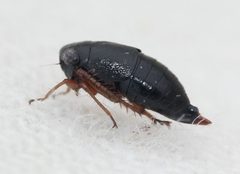
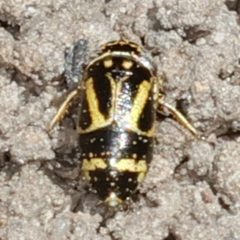
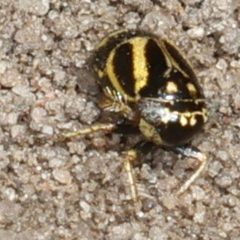
4Chiasmini is a tribe of grassland leafhoppers in the Deltocephalinae, comprising 21 and approximately 324 worldwide. The tribe exhibits highest in the Nearctic region but greater genus-level diversity in the Old World. Several species are significant agricultural pests, particularly in the genus Nephotettix, which transmits rice Tungrovirus in Southeast Asia and feeds on cultivated rice, wheat, and barley.
Pronunciation
How to pronounce Chiasmini: /kiˈæs.mɪ.naɪ/
These audio files are automatically generated. While they are not always 100% accurate, they are a good starting point.
Identification
Chiasmini is defined by morphological characters of the female genitalia, as established in recent taxonomic revisions. The tribe lacks the mitochondrial gene rearrangements found in some other deltocephaline leafhoppers. Identification to requires examination of detailed morphological features described in taxonomic keys.
Images
Habitat
Native grasslands. are associated with grasses and sedges.
Distribution
Worldwide distribution with highest in the Nearctic region and greater -level diversity in the Old World/Oriental Region. Documented from Sri Lanka, Rwanda, Uganda, Zambia, Democratic Republic of the Congo, Spain, South Africa, and Madagascar. China has 39 described in 11 genera.
Diet
Piercing and sucking of plant sap from grasses and sedges. Some in the Nephotettix feed on cultivated rice, wheat, and barley.
Behavior
Piercing and sucking plant sap. Some transmit plant : Nephotettix species transmit rice Tungrovirus in Southeast Asia; Exitianus species transmit maize dwarf mosaic and Bermuda grass white leaf disease.
Ecological Role
Agricultural pests causing weakened growth, slowed development, and death of plants. of plant affecting crop .
Human Relevance
Several are economically significant agricultural pests. The Nephotettix is particularly important in Southeast Asian rice agriculture due to transmission of rice Tungrovirus.
Sources and further reading
- BugGuide
- Wikipedia
- iNaturalist taxon
- NCBI Taxonomy
- Catalogue of Life
- Seven new species and new distributions of Old World Chiasmini (Hemiptera: Cicadellidae: Deltocephalinae), with a redescription, key to genera, and species checklist for the tribe
- Mitogenomic Analysis and Phylogenetic Implications for the Deltocephaline Tribe Chiasmini (Hemiptera: Cicadellidae: Deltocephalinae).