Sibovia
China, 1927
Species Guides
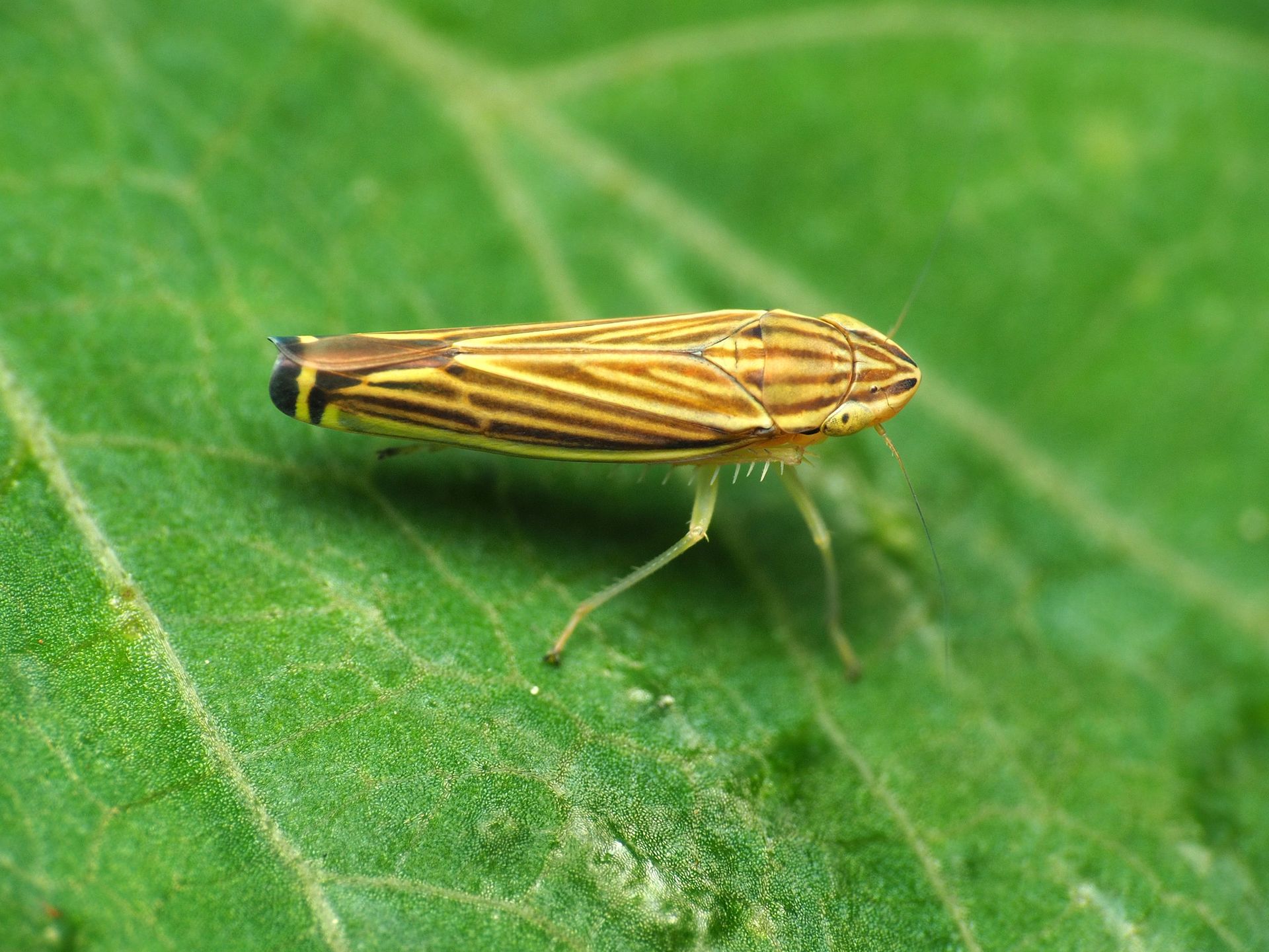
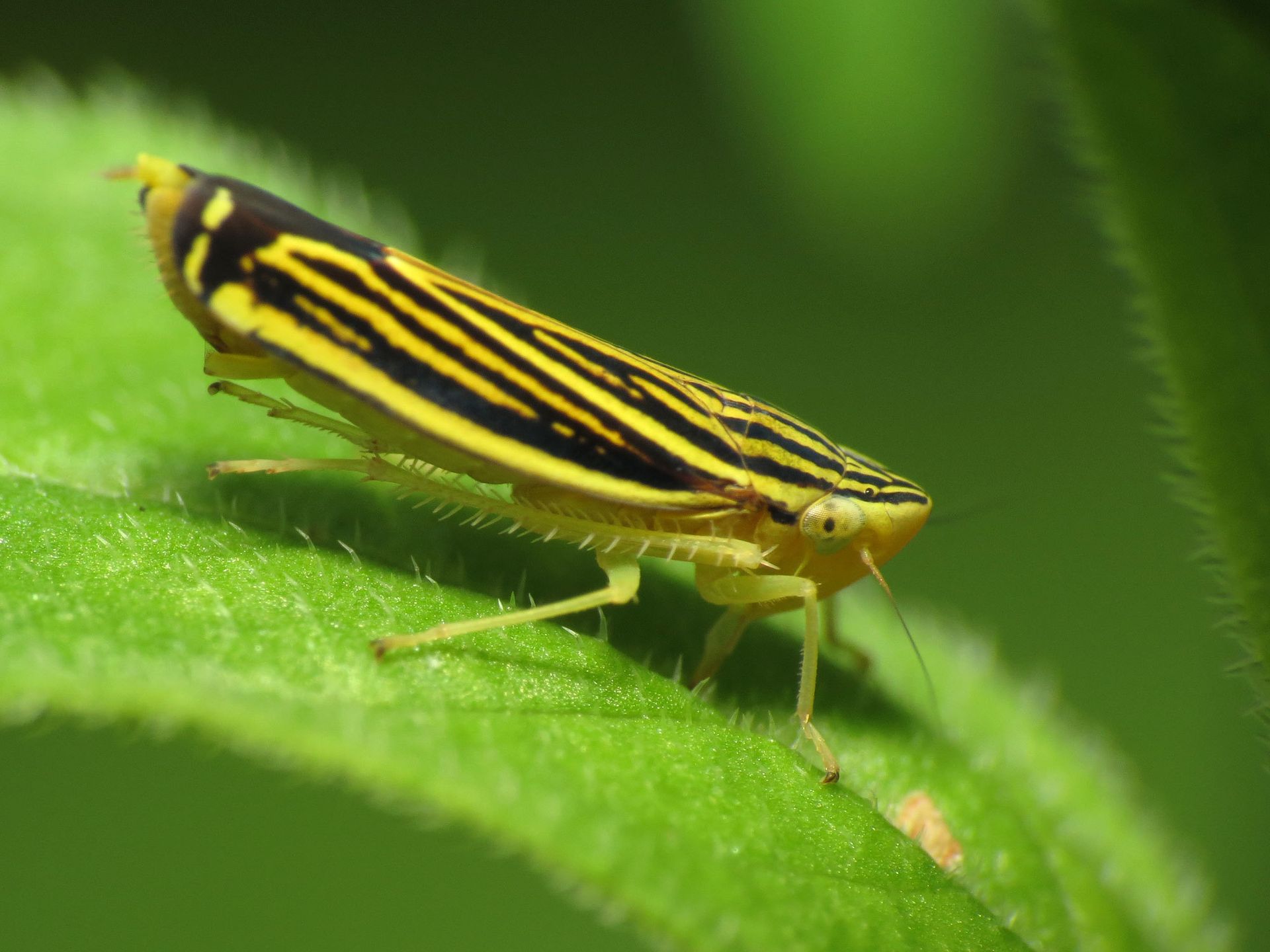
2- Sibovia compta
- Sibovia occatoria(Yellow-striped Leafhopper)
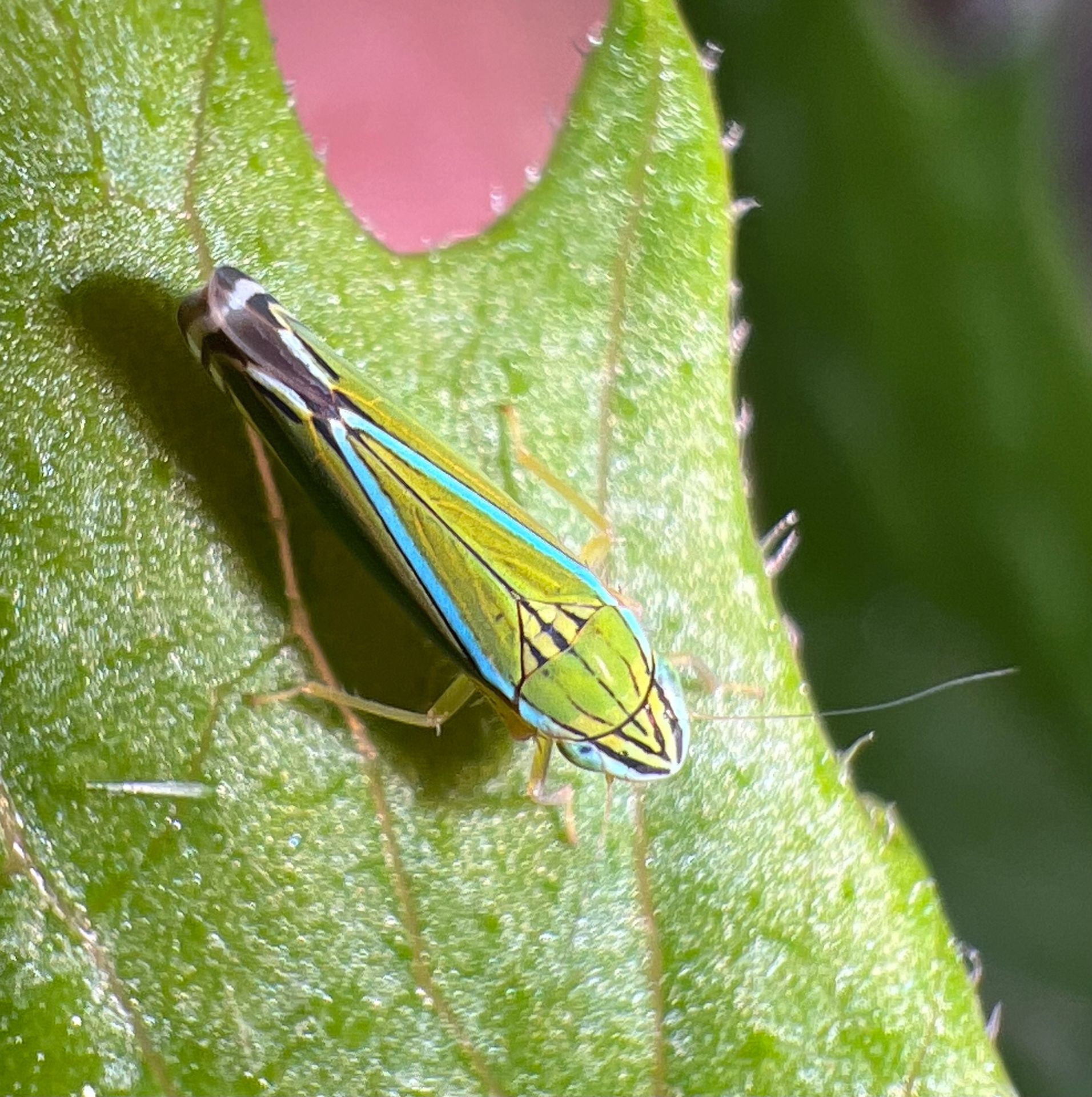
Sibovia is a of leafhoppers in the Cicadellidae, established by China in 1927. The genus contains at least 30 described . Sharpshooters are known for their ability to shoot droplets of liquid waste from their anal opening, a that gives the group its . As members of the tribe Cicadellini, species in this genus are part of a diverse lineage of xylem-feeding insects.
Pronunciation
How to pronounce Sibovia: /sɪˈboʊ.vi.ə/
These audio files are automatically generated. While they are not always 100% accurate, they are a good starting point.
Identification
Members of Sibovia can be distinguished from other Cicadellini by genitalic characters, particularly the structure of the male and female seventh sternite. -level identification requires examination of these features. The genus lacks the pronounced ornamentation seen in some related genera.
Images
Behavior
Like other sharpshooters, Sibovia are known to engage in anal droplet ejection, forcibly expelling excess water from their xylem-based diet. This has been observed in the broader group but specific documentation for Sibovia is limited.
Ecological Role
As xylem-feeding insects, sharpshooters including Sibovia likely function as nutrient cyclers, converting dilute xylem fluid into more concentrated forms accessible to other organisms. They may serve as prey for various and .
Similar Taxa
- HomalodiscaBoth are of sharpshooters in tribe Cicadellini, but Homalodisca are generally larger and include significant agricultural pests such as the glassy-winged sharpshooter, whereas Sibovia species are smaller and less economically documented.
- CuernaAnother Cicadellini with similar body plan; Cuerna often show more distinct color patterns and have different male genitalic structures.
More Details
Taxonomic history
The was established by William Edward China in 1927. The etymology of the name Sibovia is not clearly documented in standard references.
Species diversity
With at least 30 described , Sibovia represents a moderately diverse within the Cicadellini, though many species remain poorly studied and additional undescribed species likely exist.