
Cuerna
Melichar, 1924
Species Guides
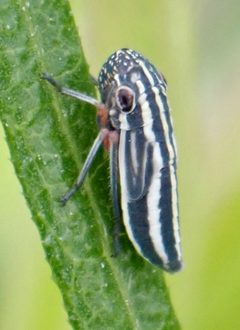
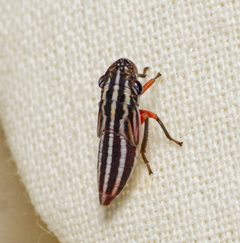
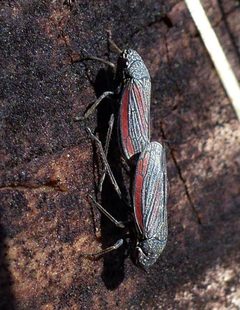
23Cuerna is a of leafhoppers (sharpshooters) in the Cicadellidae, established by Melichar in 1924. The genus comprises 26 described distributed across North America from Canada and Alaska to Panama, with highest in the southwestern United States. As members of the tribe Proconiini, these insects are part of a group known for their xylem-feeding habits and association with diverse plant .
Pronunciation
How to pronounce Cuerna: /ˈkwɛrna/
These audio files are automatically generated. While they are not always 100% accurate, they are a good starting point.
Identification
Cuerna can be distinguished from other Proconiini by morphological features specific to the genus, though detailed diagnostic characters require examination of genitalia and wing venation patterns typical of sharpshooters. The 26 species within the genus show variation in size, coloration, and body proportions, with some species exhibiting distinctive markings. Accurate species-level identification typically requires examination and reference to original species descriptions.
Images
Habitat
of Cuerna occur in diverse environments across their broad North American range, from northern regions through temperate zones to tropical areas of Central America. The concentration of in the southwestern United States suggests to arid and semi-arid , though individual species occupy varied ecological settings. Specific microhabitat preferences vary by species and remain incompletely documented for many .
Distribution
North America from Canada and Alaska south through the United States to Panama. Highest occurs in the southwestern United States.
Similar Taxa
- Other Proconiini genera (e.g., Homalodisca, Proconia)Sharpshooters in the same tribe share xylem-feeding habits and general body plan; Cuerna distinguished by specific morphological features of the male genitalia and other taxonomic characters.
More Details
Taxonomic history
The was described by Melichar in 1924 and accepted in 1925. The authorship date is sometimes cited as 1925 in sources such as NCBI .
Sources and further reading
- BugGuide
- Wikipedia
- GBIF taxonomy match
- iNaturalist taxon
- NCBI Taxonomy
- Catalogue of Life
- The gift of poinsettia. The silverleaf whitefly, Bemisia argentifolii — Bug of the Week
- ‘Twas the week before Christmas and what did I spy: The silverleaf whitefly, Bemisia tabaci — Bug of the Week
- Comparative Developmental Biology of Cuerna arida and C. balli in Arizona1, 2