
Anafroptilum
Kluge, 2011
Species Guides
5Anafroptilum is a of small mayflies in the Baetidae. The genus was first described from the East Palaearctic and Nearctic regions, with a single A. kazlauskasi known from the former and eight species from the latter. In 2016, two new species were described from Thailand, marking the first report of the genus from the Oriental Region. Species in this genus are characterized by the absence of hind wings in and distinctive larval morphological features.
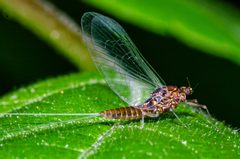
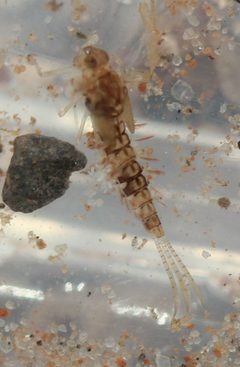
Pronunciation
How to pronounce Anafroptilum: /ˌænəfrɒpˈtɪləm/
These audio files are automatically generated. While they are not always 100% accurate, they are a good starting point.
Identification
can be distinguished from other Baetidae by the complete absence of hind wings. Larvae are identified by the presence of an unusual prominent spine near the apex, combined with examination of tergalii shape and male gonostyli structure for -level determination. The is most similar to other brachypterous or wing-reduced Baetidae genera, but the cercal spine is a distinctive larval character.
Images
Appearance
lack hind wings. Male imaginal gonostyli show diverse shapes between . Larvae possess a prominent spine near the apex of the . Larval tergalii (abdominal gills) vary in shape between species.
Distribution
Thailand (Oriental Region); East Palaearctic (single A. kazlauskasi); Nearctic (eight species).
Life Cycle
Development includes larval and imaginal stages. have been successfully reared from larvae in laboratory conditions for at least two .
Similar Taxa
- Other Baetidae generaAnafroptilum is distinguished from other Baetidae by the combination of absent hind wings in and the prominent cercal spine in larvae; many Baetidae retain hind wings and lack this larval spine.
More Details
Taxonomic history
The was established by Kluge in 2011 (though sometimes cited as 2012). The Oriental Region record in 2016 significantly expanded the known biogeographic range of the genus.