
Ameletus
Eaton, 1885
Upland Summer Mayfly (A. inopinatus)
Species Guides
11- Ameletus browni(purple marram)
- Ameletus celer
- Ameletus cryptostimulus(combmouthed minnow mayfly)
- Ameletus lineatus(combmouthed minnow mayfly)
- Ameletus ludens
- Ameletus similior
- Ameletus subnotatus(combmouthed minnow mayfly)
- Ameletus tertius
- Ameletus validus(combmouthed minnow mayfly)
Ameletus is a of mayflies (Ephemeroptera) and the type genus of the Ameletidae, circumscribed by Rev. A. E. Eaton in 1885. The genus is speciose, with approximately 30 bisexual recognized in North America and additional species in Europe and Asia. Ameletus species occur in cold-water streams from small headwater brooks to larger rivers, with greatest diversity in mountainous regions of western North America. The genus includes A. inopinatus, the only predominantly montane species in the UK and a noted climate change .
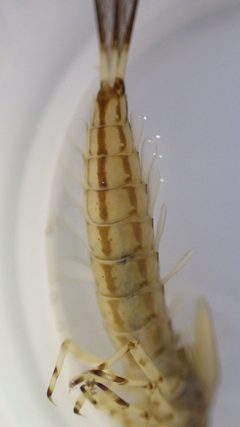
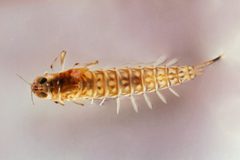
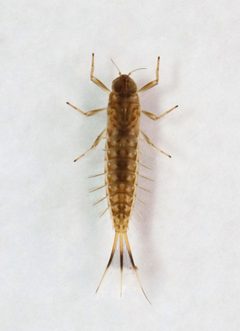
Pronunciation
How to pronounce Ameletus: /ˈam.e.le.tus/
These audio files are automatically generated. While they are not always 100% accurate, they are a good starting point.
Identification
Ameletus are distinguished from other by a combination of wing venation patterns and genitalic characters. Male adults can be identified using keys based on forewing cross- patterning: some species have wings speckled with brown-margined cross-veins, while others have clear hyaline wings or wings evenly suffused with brownish-amber. Larvae of late instars can be distinguished by morphological characters described in regional keys for Alberta and adjacent areas. Species-level identification requires examination of adult genitalia or larval diagnostic characters; up to 12 species can occur sympatrically at single sites in areas of high diversity such as southwestern Alberta.
Images
Habitat
Cold-water streams and rivers, ranging from small headwater spring brooks to larger river systems. is highest in mountainous regions, particularly in southwestern Alberta where multiple co-occur. In Europe, A. inopinatus is restricted to montane streams, typically found above 300 meters elevation in the UK though occurring at lower altitudes in northern Scotland.
Distribution
Holarctic distribution. North America: widespread across western Alberta, Saskatchewan, eastern British Columbia, Montana, and northern Idaho and Washington; 13 confirmed in Alberta with A. inopinatus suspected in the north. Europe: A. inopinatus occurs in the Scottish Highlands, with predicted future restriction to the Alps, Scandinavia, and Cairngorms by 2080 under climate change scenarios. Asia: A. longulus documented near Vladivostok.
Seasonality
A. inopinatus emerge in May and June following larval development through winter months; hatch in autumn with larval growth occurring during winter.
Life Cycle
hatch in autumn; larvae develop through winter months; emerge in spring (May-June for A. inopinatus). Adults live only hours to a few days, during which they mate and deposit eggs.
Ecological Role
Larvae are aquatic and contribute to stream function; serve as a food source for insectivorous birds and other . A. inopinatus functions as a climate change due to its strict cold-water requirements and documented upstream range shifts in response to warming.
Human Relevance
A. inopinatus serves as a sentinel for climate change impacts on freshwater , with documented declines and range contractions attributed to rising water temperatures. The species has been the focus of conservation campaigns and research on genetic diversity under climate change scenarios.
Similar Taxa
- SiphlonurusBoth belong to Siphlonuridae/Ameletidae and share general ; Ameletus is distinguished by specific wing venation patterns and genitalic characters used in identification keys.
- ChimuraChimura was synonymized with Ameletus by Edmunds in 1960; previously recognized as distinct but now considered congeneric based on morphological evidence.
Sources and further reading
- BugGuide
- Wikipedia
- GBIF taxonomy match
- iNaturalist taxon
- NCBI Taxonomy
- Catalogue of Life
- Loch Ness - big loch, small wonders! - Buglife Blog - Buglife
- COP26 – how does climate change impact upon invertebrates? - Buglife Blog - Buglife
- Vote now for Riverwoods projects across Scotland! - Buglife Blog - Buglife
- LARVAE AND ADULTS OFAMELETUS MAYFLIES(EPHEMEROPTERA: AMELETIDAE) FROM ALBERTA
- FURTHER NOTES ON THE GENUS AMELETUS WITH DESCRIPTIONS OF NEW SPECIES (EPHEM.)
- A REVISION OF THE NEARCTICAMELETUSMAYFLIES BASED ON ADULT MALES, WITH DESCRIPTIONS OF SEVEN NEW SPECIES (EPHEMEROPTERA: AMELETIDAE)
- Ecological Life History, IncludingLaboratory Investigation,of the Mayfly, Ameletus Tarteri (Ephemeroptera: Siphloneuridae)
- Life history of Ameletus longulus Sinichenkova, 1981 (Ephemeroptera: Ameletidae) in a small stream in vicinity of Vladivostok
- Molecular data and species distribution models reveal the Pleistocene history of the mayfly Ameletus inopinatus (Ephemeroptera: Siphlonuridae)1
- Modelling range shifts and assessing genetic diversity distribution of the montane aquatic mayfly Ameletus inopinatus in Europe under climate change scenarios
- Ameletus Mayflies (Ephemeroptera: Ameletidae) of the Eastern Nearctic.