
Timpanoga hecuba
(Eaton, 1884)
Great Red Quill
Timpanoga hecuba, commonly known as the Great Red Quill, is a of in the Ephemerellidae. This Nearctic species is significant in fly fishing, where its and subimago (dun) forms are imitated by artificial flies. The species was originally described as Ephemerella hecuba by Eaton in 1884 and later transferred to the Timpanoga.
Pronunciation
How to pronounce Timpanoga hecuba: /tɪmˈpænəɡə ˈhiːkjʊbə/
These audio files are automatically generated. While they are not always 100% accurate, they are a good starting point.
Identification
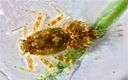
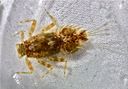
have a reddish body coloration that distinguishes them from the green drake (Drunella grandis) and other commonly encountered in western North American streams. The species can be differentiated from the common burrower mayfly (Ephemera simulans) by body color and size.
Images
Distribution
Nearctic region; North America.
Life Cycle
Mayflies have an aquatic larval stage (nymph), followed by as winged subadults (subimagos or duns) that once more into sexually mature (imagos). The subimago stage is behaviorally significant as these insects must rest on the water surface to allow their wings to dry before , making them vulnerable to .
Behavior
Subimagos exhibit surface-resting after , remaining stationary on the water while their wings dry. This behavior makes them predictable targets for surface-feeding fish. are short-lived and do not feed.
Ecological Role
Important prey item for trout and other sport fish during events. The predictable surface-resting of subimagos concentrates energy availability for aquatic and riparian .
Human Relevance
Significant target for fly fishing; artificial flies imitate both and subimago forms. The species is referenced in fly-tying literature as the 'Great Red Quill' pattern.
Similar Taxa
- Ephemera simulansCommon burrower mayfly; T. hecuba differs in body coloration and is distinguished by its reddish hue.
- Drunella grandisGreen drake; T. hecuba differs in color (reddish vs. green) and is smaller.
- Hexagenia limbataHex ; T. hecuba is smaller and has different timing and .