
Carapacea
Family Guides
1- Baetiscidae(armored mayflies)
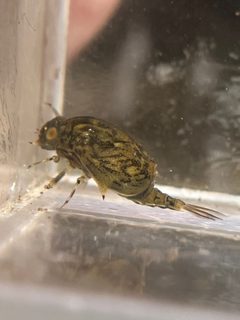
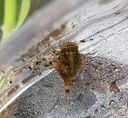
Carapacea is a suborder of mayflies (Ephemeroptera) characterized by nymphs possessing a distinctive -like structure formed from expanded and thoracic tergites. This morphological distinguishes them from other suborders. The group includes such as Baetiscidae and . Carapacean mayflies are primarily found in running water .
Pronunciation
How to pronounce Carapacea: /ˌkærəˈpeɪsiə/
These audio files are automatically generated. While they are not always 100% accurate, they are a good starting point.
Identification
The defining feature is the formed from thoracic tergites in nymphs, visible even to the unaided . This structure is absent in all other Ephemeroptera suborders. lack obvious distinguishing features from other mayflies and require examination of nymphs or detailed morphological analysis of genitalia and wing venation for identification to level.
Images
Habitat
Nymphs inhabit running waters, particularly streams and rivers, where they are typically found clinging to substrates in current. The structure is hypothesized to provide protection in these exposed, high-flow environments. Specific microhabitat preferences vary by .
Distribution
Documented from multiple continents including North America, Europe, Africa, and Asia, though individual within Carapacea have more restricted ranges. The suborder as a whole has a disjunct global distribution reflecting the scattered ranges of its constituent families.
Seasonality
timing varies by and geographic location. No unified seasonal pattern characterizes the entire suborder.
Life Cycle
Hemimetabolous development with , nymph, and stages. Nymphs are aquatic and pass through multiple instars. The develops progressively through nymphal growth. of winged adults from final nymphal instars occurs at the water surface or on shore.
Behavior
Nymphs are generally clingers in flowing water, using their modified body form and legs to maintain position on substrates. The may function in protection against and physical abrasion. are short-lived and do not feed; their centers on mating and oviposition.
Ecological Role
Nymphs function as primary consumers in aquatic , processing detritus and periphyton. They serve as prey for fish and other aquatic . The structure represents a distinct morphological solution to life in high-current environments within the radiation.
Human Relevance
Limited direct economic importance. Occasionally used as bioindicators of water quality in stream assessment protocols. Of interest to entomologists and aquatic ecologists studying morphological and .
Similar Taxa
- PisciformaOther major suborder of Ephemeroptera; nymphs lack the structure and instead typically have streamlined, fish-like body forms with free, unfused thoracic segments.
- FurcatergaliaSuborder of Ephemeroptera with diverse nymphal forms, but all lack the thoracic characteristic of Carapacea; gills are typically exposed and filamentous or plate-like rather than concealed.
More Details
Taxonomic composition
Carapacea includes the Baetiscidae (armored mayflies) and , though the exact composition has varied in historical classifications. These families were previously placed in different suborders before molecular and morphological analyses supported their sister relationship.
Morphological convergence
The structure represents a striking case of morphological convergence or shared derived within Ephemeroptera, as the two are not each other's closest relatives within the suborder according to some analyses, suggesting possible independent origins or complex evolutionary history of this trait.