
Tipula metacomet
Alexander, 1965
Metacomet crane fly
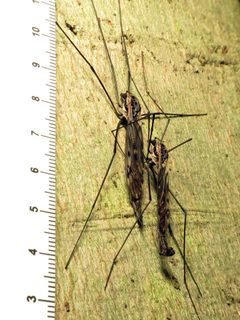
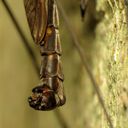
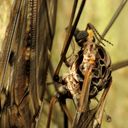
Tipula metacomet is a large crane fly in the Tipulidae, described by Charles Paul Alexander in 1965. The is named after Metacomet (also known as King Philip), a Wampanoag chief who led Native American resistance against English colonists in New England during the 1670s. It is one of numerous crane fly species in the Tipula, which is the largest genus of crane flies with hundreds of species distributed across the Northern Hemisphere.
Pronunciation
How to pronounce Tipula metacomet: /ˈtɪpjʊlə mɛtəˈkoʊmɛt/
These audio files are automatically generated. While they are not always 100% accurate, they are a good starting point.
Images
Distribution
Nearctic region; documented from Massachusetts, Pennsylvania, and Vermont in the northeastern United States.
More Details
Etymology
The specific epithet 'metacomet' honors the Wampanoag sachem Metacomet (c. 1638–1676), known to English colonists as King Philip. He led a major uprising against colonial expansion in southern New England during 1675–1676, known as King Philip's War. The use of this name follows a pattern in Alexander's of commemorating historical figures, particularly those associated with the regions where occur.