
Tipula ultima
Alexander, 1915
crane fly
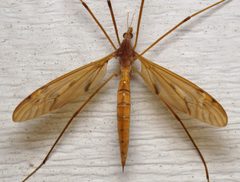
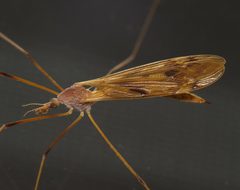
Tipula ultima is a of large crane fly in the Tipulidae. It was originally described as Tipula flavescens by Fabricius in 1805, but that name was preoccupied. Charles Howard Alexander proposed the replacement name ultima in 1915. The specific epithet refers to its late-season period; this species flies later in the year than most other crane flies. It is found across much of Canada and the United States.
Pronunciation
How to pronounce Tipula ultima: /ˈtɪpjʊlə ˈʊltɪma/
These audio files are automatically generated. While they are not always 100% accurate, they are a good starting point.
Identification
No specific diagnostic features distinguishing this from other large Tipula species are documented in the available sources. Identification to species level likely requires examination of genitalic structures or other subtle morphological characters typical of the .
Images
Distribution
Canada and the United States. In Canada: from Saskatchewan to Nova Scotia. In the United States: south to Wyoming, Kansas, Louisiana, Mississippi, and Florida. Also recorded from Vermont.
Seasonality
fly late in the year, typically in autumn. This late period is the basis for the name ultima (Latin for 'last').
More Details
Nomenclatural history
The original name Tipula flavescens Fabricius, 1805 was preoccupied (already used for another ). Charles Howard Alexander, a leading authority on crane flies, proposed the replacement name ultima in 1915. Alexander was extraordinarily prolific, describing over 10,000 species of Diptera during his career.