
Tipula furca
Walker, 1848
large crane fly

Pronunciation
How to pronounce Tipula furca: //ˈtɪpjʊlə ˈfɜːrkə//
These audio files are automatically generated. While they are not always 100% accurate, they are a good starting point.
Identification
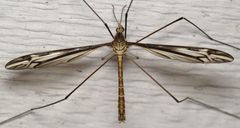
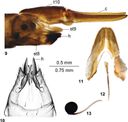
As a member of the Tipula, T. furca is a large-bodied crane fly. Accurate identification to level requires examination of specific morphological characters; the species name "furca" (Latin for fork) likely refers to a forked structure in the male genitalia or other diagnostic feature, though specific distinguishing traits from other large Tipula species are not documented in the provided sources.
Images
Distribution
Nearctic region: Canada (Ontario, Quebec) and the United States (Wisconsin to Maine, south to Kansas, Texas, and Florida). Vermont.
More Details
Subspecies
Two are recognized: Tipula furca furca (nominate subspecies) and Tipula furca credula.
Taxonomic authority
Original description by Francis Walker in 1848.
Sources and further reading
- BugGuide
- Wikipedia
- GBIF taxonomy match
- iNaturalist taxon
- NCBI Taxonomy
- Bodil Cass and 'The Curious Case of Katydids in California Citrus' | Bug Squad
- Ted C. MacRae | Beetles In The Bush | Page 8
- Bug Eric: Fork-tailed Bush Katydid
- Mandarin Boom Means Citrus Pest Management Must Evolve
- Pensoft Editorial Team | Blog - Part 153