
Hexatomini
Genus Guides
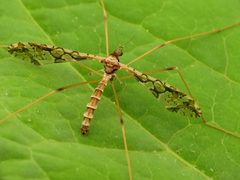
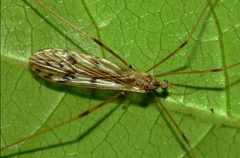
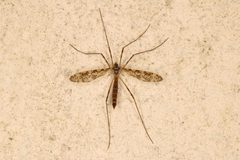
16Hexatomini is a tribe of limoniid crane flies ( Limoniidae) comprising approximately 16 and at least 250 described . The tribe includes several well-known genera such as Hexatoma, Limnophila, and Elephantomyia. Members are generally small to medium-sized crane flies distinguished from related tribes by specific wing venation patterns and genitalia structures. The group has a distribution with species documented across multiple continents.
Pronunciation
How to pronounce Hexatomini: //hɛkˌsætoʊˈmaɪnaɪ//
These audio files are automatically generated. While they are not always 100% accurate, they are a good starting point.
Identification
Hexatomini can be distinguished from other Limoniidae tribes by wing venation characteristics, particularly the arrangement of crossveins and the structure of the . Males and females exhibit in structure, with males typically possessing more pronounced pectinations or elongate flagellomeres. Genitalic , especially the structure of the male hypopygium and female ovipositor, provides definitive tribal-level identification. Species-level identification often requires examination of wing pattern, leg coloration, and detailed genitalic dissection.
Images
Habitat
within Hexatomini occupy diverse moist including forested stream margins, wetlands, marshy meadows, and riparian zones. Larval stages are typically associated with decaying organic matter in saturated soils, submerged wood, or aquatic vegetation. are most commonly encountered in humid microhabitats near larval development sites.
Distribution
distribution documented across North America, Europe, Asia, Africa, Australia, and South America. Individual distributions vary; for example, Hexatoma and Limnophila are broadly distributed, while genera such as Austrolimnophila and Shannonomyia show more restricted regional distributions.
Seasonality
activity periods vary by and latitude. In temperate regions, most species exhibit spring through autumn periods, with peak abundance typically in late spring and early summer. Tropical species may show extended or year-round activity patterns correlated with wet seasons.
Life Cycle
Complete with , larval, pupal, and stages. Larvae are generally aquatic or semi-aquatic, inhabiting saturated substrates with decaying plant material. Specific developmental durations and stages vary among and climatic regions.
Behavior
are weak fliers typically observed in resting positions on vegetation near larval . Males form aerial swarms for mating, with swarm location and timing often -specific. Adults do not feed or feed minimally; mouthparts are reduced.
Ecological Role
Larvae contribute to decomposition processes in wetland and riparian , processing decaying plant material and participating in nutrient cycling. serve as prey for various including birds, bats, and predatory arthropods.
Human Relevance
No direct economic importance. are occasionally encountered in residential areas near suitable breeding but do not bite or transmit . Some may be indicators of wetland health due to specific habitat requirements.
Similar Taxa
- LimoniiniAnother tribe within Limoniidae; distinguished from Hexatomini by differences in wing venation, particularly the shape and position of the , and male genitalic structure.
- EriopteriniTribe of Limoniidae with overlapping morphological features; separation requires detailed examination of wing venation patterns and hypopygial structure.
- Tipulidae (sensu stricto)Large crane flies in Tipulidae (distinct from Limoniidae); distinguished by larger body size, longer legs relative to body, and different wing venation with more elongate .
More Details
Systematic history
Hexatomini has undergone taxonomic revision, with some formerly placed in Tipulidae now classified within Limoniidae based on phylogenetic analyses. The tribal concept has been refined through studies of male and female terminalia .
Taxonomic challenges
-level within Hexatomini remains active, with many species descriptions based on limited material and geographic coverage. Cryptic are suspected in several based on morphological variation and geographic patterns.