
Epiphragma
Osten Sacken, 1860
Species Guides
3- Epiphragma arizonense
- Epiphragma fasciapenne(Band-winged Crane Fly)
- Epiphragma solatrix(Spectacled Crane Fly)
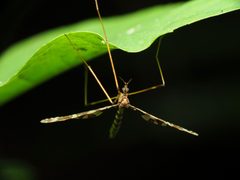
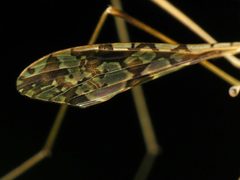
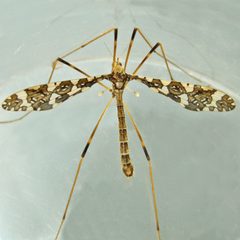
Epiphragma is a of crane flies ( Limoniidae) established by Osten Sacken in 1860. The genus contains approximately 30 described distributed across multiple subgenera (Epiphragma, Eupolyphragma, Lipophragma, and Parepiphragma). Seven species are documented from North America including Mexico, with the remainder occurring in the Palearctic region (Denmark, Norway, Sweden). Species identification relies heavily on wing patterning and male genitalia .
Pronunciation
How to pronounce Epiphragma: /ˌɛpɪˈfræɡmə/
These audio files are automatically generated. While they are not always 100% accurate, they are a good starting point.
Identification
-level identification requires examination of wing patterning and male genitalia. The male hypopygium is particularly diagnostic and has been illustrated for several species. Wing patterns vary among species and serve as key characters in published identification keys. Subgeneric classification is based on structural features of the male terminalia.
Images
Habitat
descriptions are documented for North American , though specific ecological requirements vary by species. Available sources indicate habitat information is provided in taxonomic revisions but detailed descriptions are not accessible from the abstract-level source material.
Distribution
Documented from North America (including Mexico) and the Palearctic region. North American records include southern Arizona, USA, and Mexican states of Michoacán and Sinaloa. Palearctic records from Denmark, Norway, and Sweden. GBIF distribution records also include Vermont, USA.
Similar Taxa
- Other Limoniidae generaEpiphragma is distinguished within Limoniidae by specific wing patterning and male genitalia characters detailed in taxonomic revisions; subgeneric classification further separates it from related
More Details
Taxonomic History
The has been divided into four subgenera: Epiphragma (type subgenus), Eupolyphragma (Alexander, 1948), Lipophragma (Alexander, 1978), and Parepiphragma (Alexander, 1960). One (E. infractum) remains of uncertain subgeneric placement.
Research Gaps
Comprehensive information on diet, , , and ecological role is not available in the accessed sources. The 2012 review of North American provides the most detailed accessible treatment but is limited to and distribution.