Pyrgota undata
Wiedemann, 1830
waved light fly
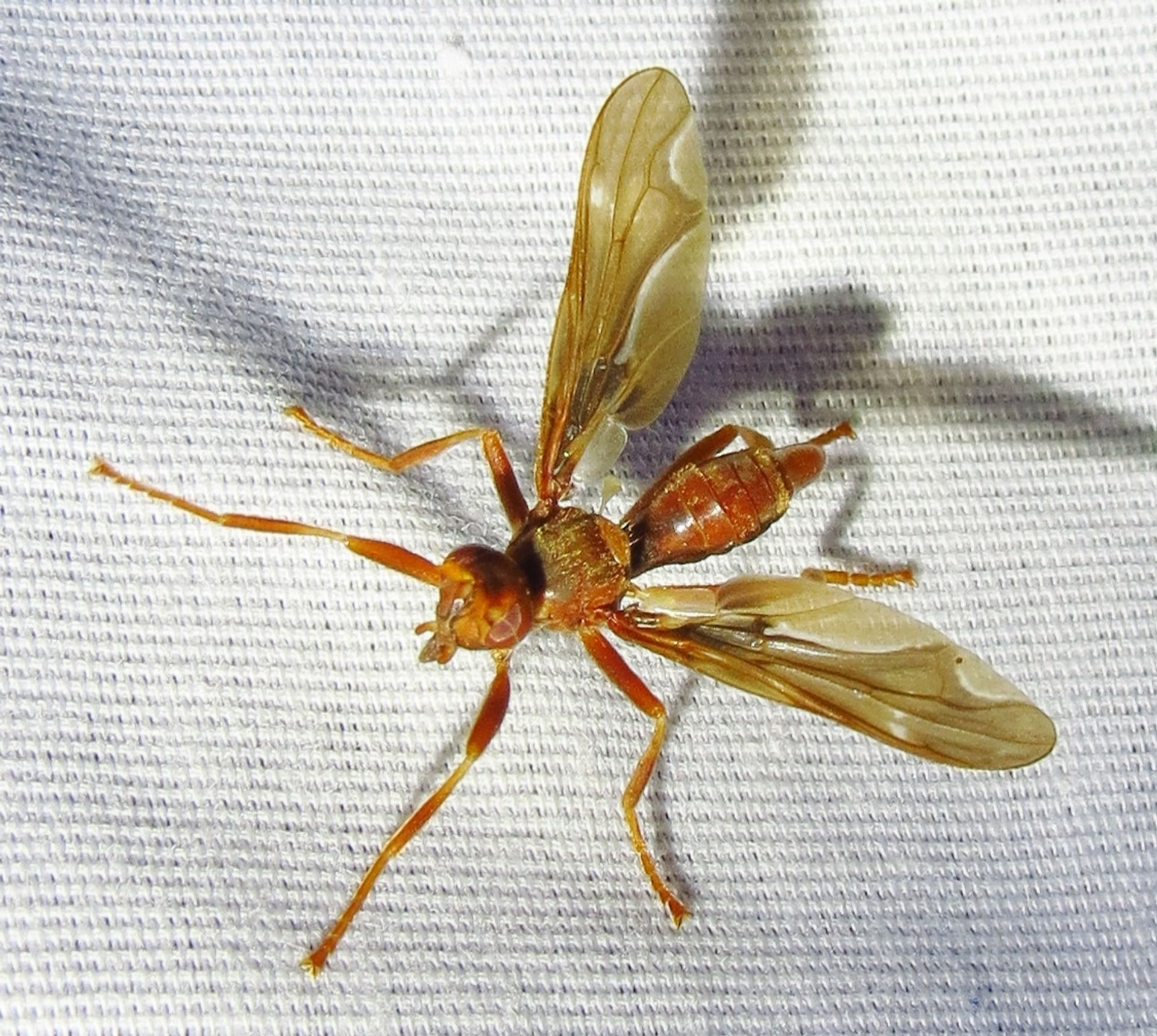
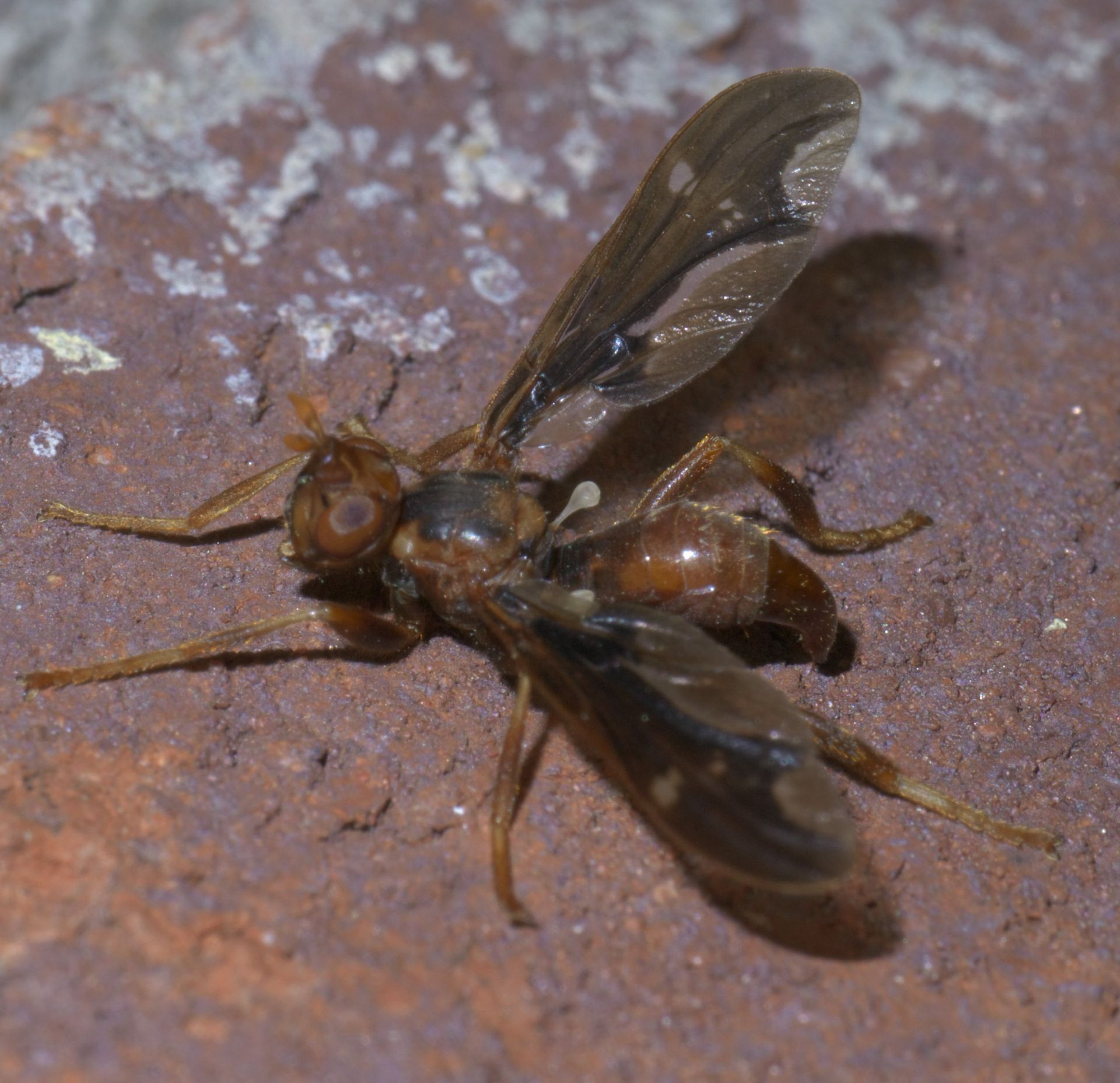
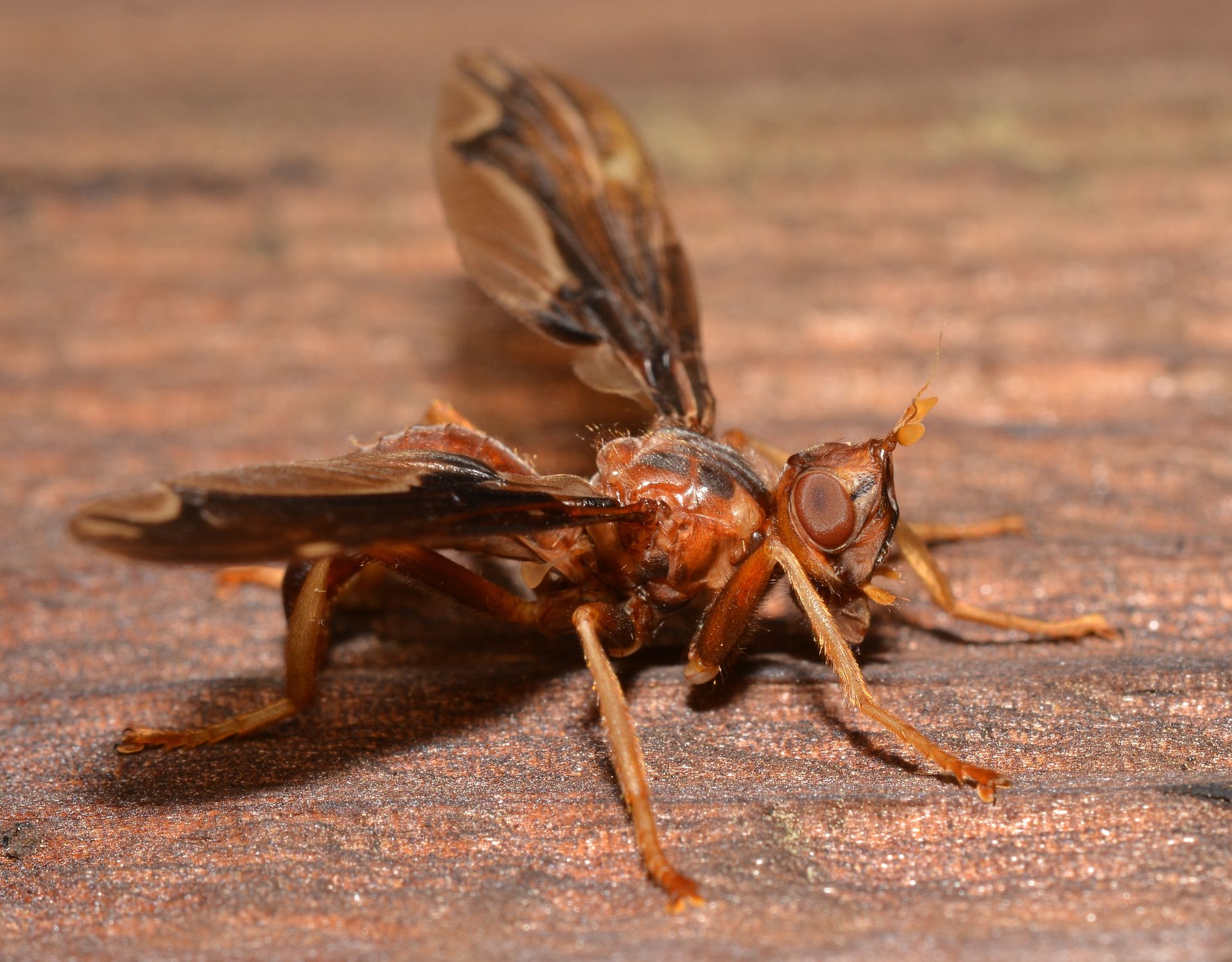
Pyrgota undata, commonly known as the waved light fly, is a of fly in the Pyrgotidae. It is a -mimicking species that has been observed in mating pairs engaging in distinctive 'French kissing' . The species has been documented in Missouri glade and at bioblitz events in prairie .
Pronunciation
How to pronounce Pyrgota undata: /pɪrˈɡoʊtə ʌnˈdeɪtə/
These audio files are automatically generated. While they are not always 100% accurate, they are a good starting point.
Identification
Distinguished from other flies by its Polistes -mimicking appearance. Specific morphological characters distinguishing it from are not documented in available sources.
Images
Habitat
Observed in sandstone glades and prairie , including recently burned glade . Documented from Bald Hill Glade Natural Area in Missouri and Thoh-Dah Prairie in St. Clair County, Missouri.
Distribution
Recorded from Missouri (USA), with specific localities including Ripley County and St. Clair County. Distribution records from GBIF indicate presence in Vermont and the United States generally, though these may represent limited sampling.
Seasonality
Observed in late spring; specifically documented on May 7, 2019 in Missouri.
Behavior
Mating pairs have been observed engaging in prolonged 'French kissing' involving mouthpart contact. All observed individuals in one field encounter were in mating pairs.
Human Relevance
Subject of nature photography and bioblitz documentation. Observed during organized entomological field trips.
Similar Taxa
- Polistes spp.Mimicked visually by P. undata; the fly is described as a 'Polistes -mimicking light fly'
- Other Pyrgotidae members share general body plan and -mimicking tendencies, though specific distinguishing characters for P. undata are not detailed in sources