Tabanus marginalis
Fabricius, 1805
horse fly
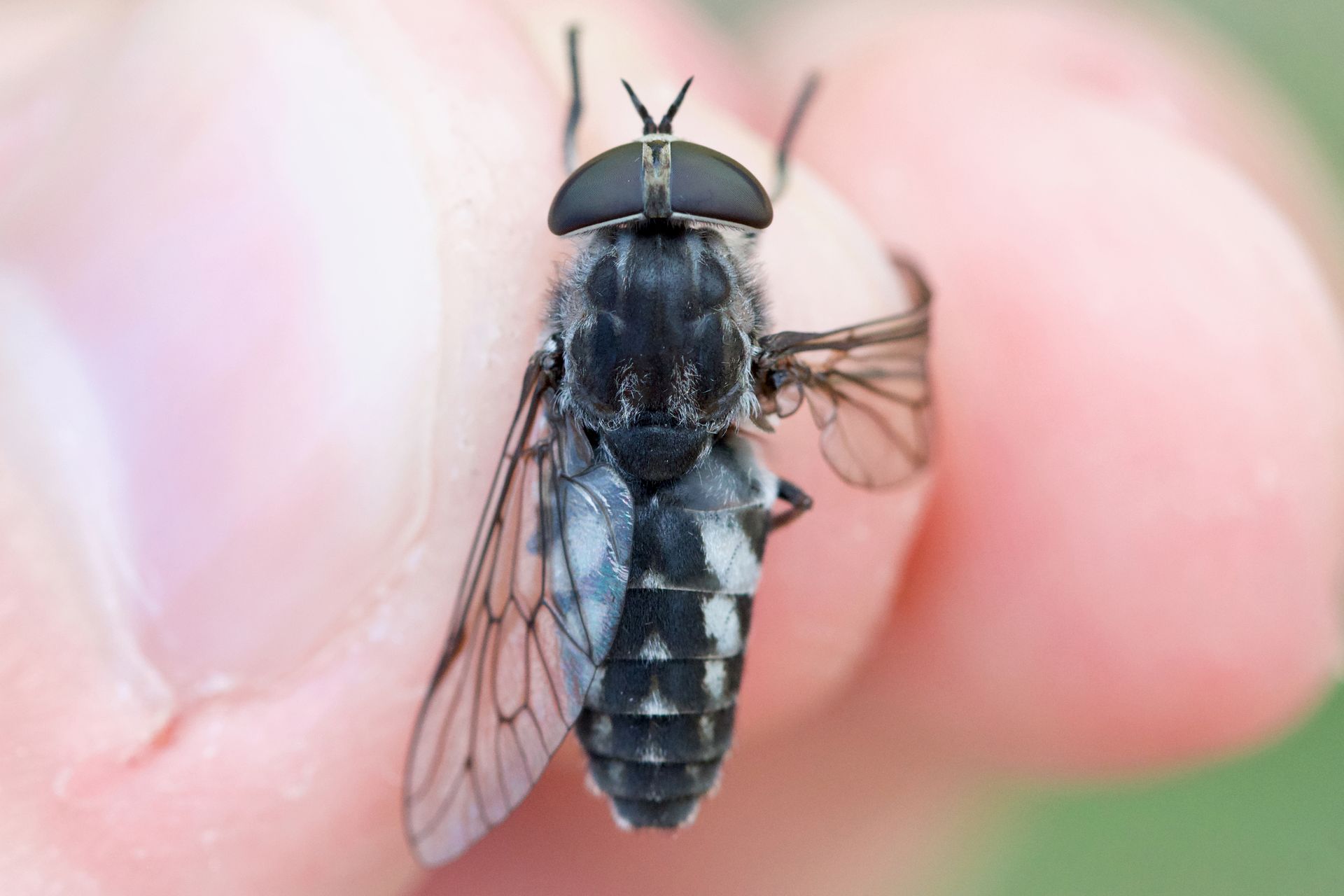
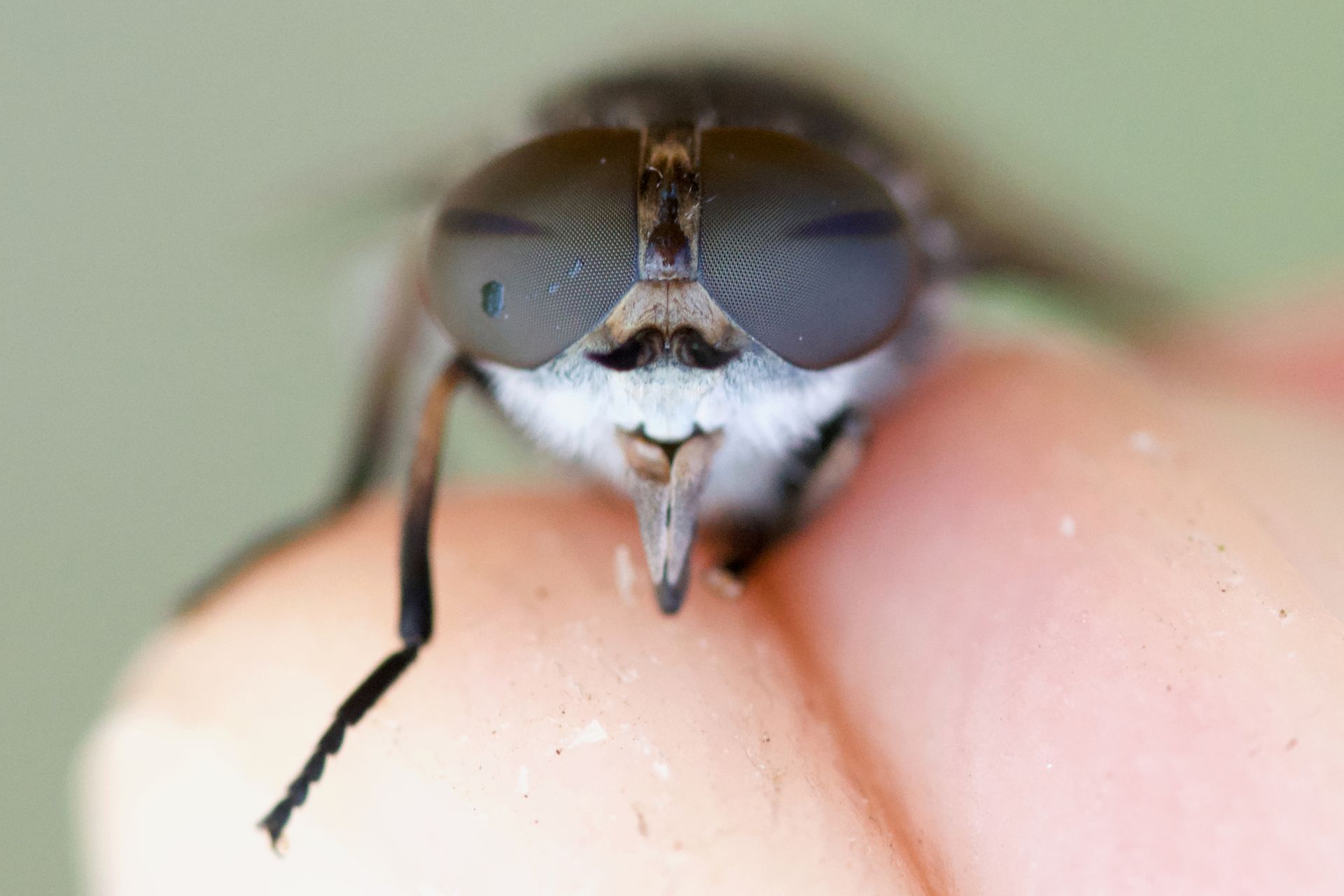
Tabanus marginalis is a of horse fly in the Tabanidae, first described by Fabricius in 1805. Like other horse flies in the Tabanus, it belongs to a group of large, biting flies known for their blood-feeding females and non-biting males. The species occurs in North America, with records from the United States and Canada. Specific ecological details remain poorly documented in the available literature.
Pronunciation
How to pronounce Tabanus marginalis: /tɑˈbɑːnʊs mɑrˈɡɪnælɪs/
These audio files are automatically generated. While they are not always 100% accurate, they are a good starting point.
Images
Distribution
United States (including Vermont) and Canada. GBIF records specifically note Vermont-US and US as distribution points. The is part of the broader Nearctic fauna of Tabanus horse flies.
Human Relevance
As a member of the Tabanidae , T. marginalis likely shares the general characteristics of horse flies: females are blood-feeders that can be persistent pests of humans and livestock, while males feed on nectar and do not bite. However, specific documentation of its pest status or potential is not found in the provided sources.
Similar Taxa
- Tabanus atratusBoth are large black horse flies in the same , but T. atratus is distinguished by its uniformly black coloration, larger size (20–25 mm), and distinctively hooked . T. marginalis likely differs in color pattern, possibly with marginal markings as suggested by its specific epithet.
- Tabanus americanusT. americanus is the largest North American horse fly (up to 30 mm), exceeding T. atratus and presumably T. marginalis in size. T. marginalis would be smaller and differ in morphological details.
More Details
Taxonomic status
Catalogue of Life lists Tabanus marginalis as a synonym, while GBIF accepts it as a valid . This discrepancy suggests taxonomic uncertainty or recent revision that may not be fully reflected across all databases.
Data availability
The has only 18 observations on iNaturalist as of the source date, indicating it is either genuinely rare, underreported, or difficult to identify. The paucity of records limits ecological and behavioral inferences.