
Neochrysops globosus
Walton, 1918
Neochrysops globosus is a of deer fly in the Tabanidae, first described by Walton in 1918. The Neochrysops is a small group within the Chrysopsinae, closely related to the more widespread genus Chrysops. As a member of Tabanidae, this species is presumed to share the blood-feeding habits typical of female deer flies, though specific biological details remain poorly documented. The species epithet "globosus" suggests a rounded or globular body form.
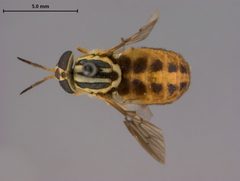
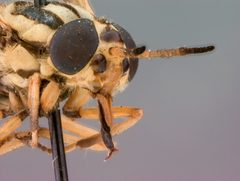
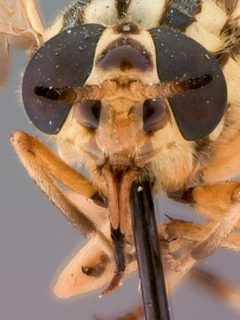
Pronunciation
How to pronounce Neochrysops globosus: /niː.oʊˈkrɪsɒps ɡloʊˈboʊsəs/
These audio files are automatically generated. While they are not always 100% accurate, they are a good starting point.
Images
Distribution
The specific geographic range of Neochrysops globosus is not well documented in available sources. The Neochrysops has been recorded from the Nearctic region, with distributions centered in North America.
Similar Taxa
- Chrysops speciesMembers of the Chrysops share the same Chrysopsinae and tribe Chrysopsini, making them morphologically similar to Neochrysops. Chrysops are generally more common and widespread, with detailed identification requiring examination of wing venation patterns and abdominal coloration.
More Details
Taxonomic placement
Neochrysops was established as a separate from Chrysops based on differences in male genitalia structure and wing pattern characteristics. The genus contains relatively few compared to the large genus Chrysops.
Data deficiency
No observations of this are recorded in iNaturalist, and no Wikipedia summary exists. The original description by Walton (1918) and any subsequent taxonomic revisions would be the primary sources of information about this species.