
Neochrysops
Walton, 1918
horse flies
Species Guides
1Neochrysops is a of horse flies in the Tabanidae, Chrysopsinae. The genus was established by Walton in 1918 and is known from the United States. Only one , Neochrysops globosus, has been described. As a member of the deer fly tribe Chrysopsini, likely share the blood-feeding habits typical of this group, though specific biological details remain poorly documented.
Pronunciation
How to pronounce Neochrysops: /niːoʊˈkrɪsɒps/
These audio files are automatically generated. While they are not always 100% accurate, they are a good starting point.
Identification
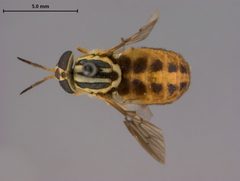
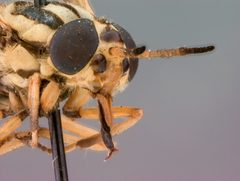
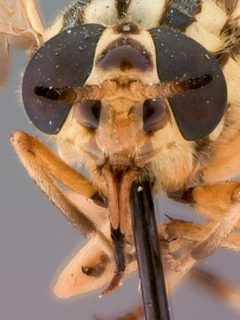
Neochrysops can be distinguished from the related and more diverse Chrysops by subtle morphological differences in wing venation and genitalia structure, though precise diagnostic characters require examination. The single described , N. globosus, is characterized by its globose (rounded) body shape as indicated by its specific epithet. Identification to species level is challenging and generally requires reference to original taxonomic descriptions.
Images
Distribution
United States. The appears to have a restricted distribution compared to the widespread genus Chrysops, though precise range boundaries are poorly defined due to limited collection records.
Similar Taxa
- ChrysopsNeochrysops is most similar to the large and widespread Chrysops, sharing membership in the tribe Chrysopsini and Chrysopsinae. Both genera contain deer flies with similar general body plans, but Neochrysops is distinguished by more robust body proportions and subtle differences in male genitalia and wing venation patterns.
More Details
Taxonomic history
The authorship year is sometimes cited as 1919 (GBIF) rather than 1918 (Catalogue of Life, original description). The remains with only N. globosus described, suggesting either genuine rarity or undercollection due to its similarity to Chrysops .
Research status
No observations are recorded in iNaturalist, and the is represented by minimal material in collections. This data deficiency limits understanding of its , preferences, and true distributional extent.