
Xylomya terminalis
Vasey, 1977
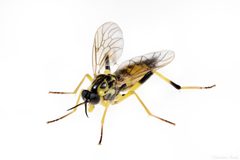
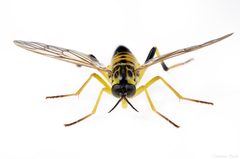
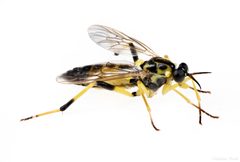
Xylomya terminalis is a of wood soldier fly in the Xylomyidae, described by Vasey in 1977. The species is known from the eastern United States, with records from Vermont and other states. Xylomyidae are predatory flies whose larvae develop in decaying wood and under bark. are typically found in woodland .
Pronunciation
How to pronounce Xylomya terminalis: //zaɪˈloʊ.mi.ə tɜːˈmɪ.nə.lɪs//
These audio files are automatically generated. While they are not always 100% accurate, they are a good starting point.
Identification
Xylomya terminalis can be distinguished from other Xylomya by terminal abdominal characteristics referenced in its specific epithet. Members of Xylomyidae are recognized by their elongate, somewhat flattened bodies, large , and wing venation with a distinct anal . Xylomya species specifically exhibit a characteristic wing pattern and body proportions that separate them from the related Solva.
Images
Habitat
Woodland , particularly areas with decaying wood and standing dead trees. Larval development occurs under bark and in decaying wood of hardwood trees.
Distribution
Eastern United States; documented from Vermont and other states.
Life Cycle
Complete with , larva, pupa, and stages. Larvae are predatory, developing in decaying wood and under bark where they feed on other insect larvae.
Behavior
are and found in wooded areas. Larvae are active in their wood-associated microhabitats.
Ecological Role
; larvae help regulate of other wood-inhabiting insects and contribute to nutrient cycling in forest through their activity in decaying wood.
Similar Taxa
- Solva pallipesAnother xylomyid fly with similar and shared woodland , but differs in wing venation details and abdominal structure.
- Other Xylomyidae generaXylomyidae contains several with convergent wood-associated ; Xylomya is distinguished by specific wing and genitalic characters.