Zodion fulvifrons
Say, 1823
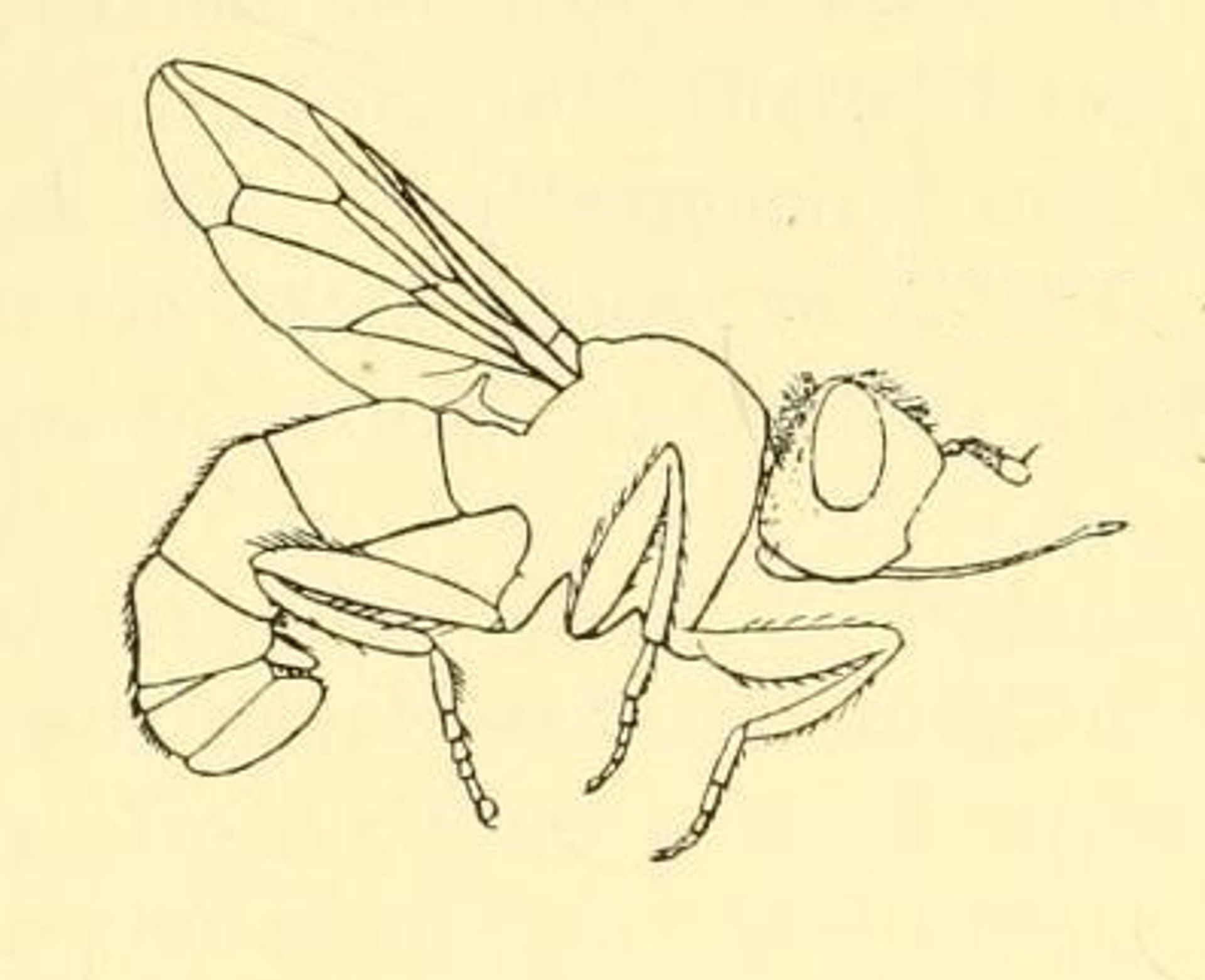
Zodion fulvifrons is a small of thick-headed fly in the Conopidae. Members of the Zodion are known to be internal of solitary . The species has been documented in North America, with observations primarily from the United States. Like other conopids, are likely flower visitors that seek nectar while also hunting for wasps.
Pronunciation
How to pronounce Zodion fulvifrons: //ˈzoʊdiˌɒn ˌfʌlviˈfrɒnz//
These audio files are automatically generated. While they are not always 100% accurate, they are a good starting point.
Images
Distribution
Documented in North America, with iNaturalist observations from the United States. The Zodion has been recorded in Massachusetts and other parts of North America, though specific range details for Z. fulvifrons remain limited.
Host Associations
- solitary wasps - Members of Zodion are known to attack solitary in mid-air, forcing between abdominal segments; larvae develop as internal
Behavior
Members of the Zodion are known to accost solitary in mid-air, forcing them to the ground and ramming between the 's abdominal plates. The larva feeds as an internal , typically killing the host within 10-12 days, then pupates inside the hollow . flies visit flowers for nectar.
Ecological Role
Internal of solitary ; may contribute to regulation of wasp . flower-visiting may provide incidental pollination services.
Similar Taxa
- Zodion intermediumSimilar small size (5-7 mm), conopid , and toward solitary ; distinguished by specific morphological details and geographic distribution
- Physocephala spp.Both are conopid flies with -mimicking appearance, but Physocephala are larger (12-15 mm), have more elongated resembling potter wasps, and primarily parasitize bees rather than solitary wasps