
Peleteria iterans
(Walker, 1849)
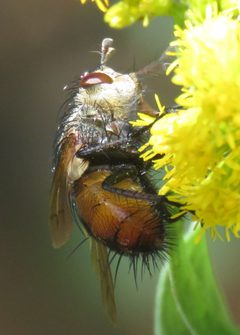
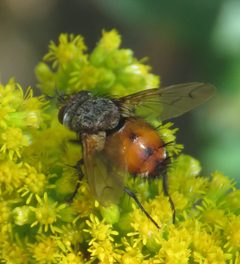
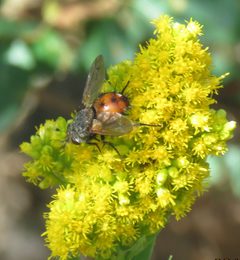
Peleteria iterans is a tachinid fly native to North America. As a , its larvae develop inside and consume insects, typically killing them in the process. females have been observed visiting flowers, including lavender, where they feed on nectar and may search for hosts. The species belongs to a characterized by distinctive bristle patterns near the .
Pronunciation
How to pronounce Peleteria iterans: //pɛlɛˈtɛɹiə ˈɪtɛɹænz//
These audio files are automatically generated. While they are not always 100% accurate, they are a good starting point.
Identification
The Peleteria is distinguished by two prominent setae (bristles) positioned in front of the lower part of each . -level identification within the genus requires examination of additional morphological features not detailed in available sources.
Images
Distribution
North America. Specific regional distribution within the continent is not well documented in available sources.
Diet
Larvae are that feed internally on insects. feed on nectar from flowers, including lavender (Lavandula).
Host Associations
- Monarch caterpillars (Danaus plexippus) - larval laid in caterpillars; larvae consume from inside
- Monarch chrysalids (Danaus plexippus) - larval laid in pupae
- Cabbage white butterfly larvae (Pieris rapae) - larval documented ; contributes to of this pest
Life Cycle
Females lay in or on insects. Larvae hatch and develop internally, consuming host tissues and eventually killing the host. emerge from the dead or dying host to mate and continue the cycle.
Behavior
have been observed visiting flowers for nectar. Females actively search for suitable insects in which to deposit .
Ecological Role
agent. The helps regulate of lepidopteran pests, including agricultural pests such as cabbage white larvae.
Human Relevance
Provides services through of pest insects. No direct economic importance or medical significance documented.
Similar Taxa
- Other Tachinidae generahundreds of exist in the ; Peleteria distinguished by the two prominent setae in front of the lower
- Other Peleteria species-level characters shared; identification requires detailed morphological examination