
Xanthophyto
Townsend, 1916
Xanthophyto is a of tachinid flies established by Townsend in 1916. The genus belongs to the tribe Nemoraeini within the Tachininae. Four are currently recognized: X. antennalis, X. erythropyga, X. labis, and X. versicolor. As with other tachinid flies, members of this genus are likely , though specific relationships remain undocumented.
Pronunciation
How to pronounce Xanthophyto: //zænˈθɒfɪtoʊ//
These audio files are automatically generated. While they are not always 100% accurate, they are a good starting point.
Identification
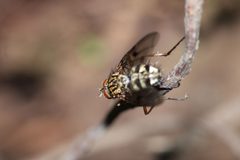
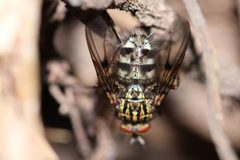
Xanthophyto can be distinguished from related tachinid by features of the male terminalia and chaetotaxy, though specific diagnostic characters require examination of . The genus name refers to yellowish or golden coloration of the body (from Greek xanthos, yellow, and phyton, plant or nature). -level identification relies on subtle differences in abdominal color patterns and bristle arrangement.
Images
Distribution
of Xanthophyto have been recorded from the Neotropical region, with X. erythropyga and X. versicolor described from South American localities and X. labis from North America (United States).
Ecological Role
As members of Tachinidae, of Xanthophyto likely function as of other insects, though specific records are not published.
Similar Taxa
- NemoraeaAlso in tribe Nemoraeini; differs in abdominal structure and male terminalia
- CylindromyiaSimilar elongated body form but belongs to different tribe (Cylindromyiini); differs in wing venation and capsule structure
More Details
Taxonomic history
Townsend originally described Xanthophyto in 1916, placing it in the Tachinidae. The has remained relatively obscure with minimal subsequent taxonomic revision. The type is Xanthophyto versicolor (Wulp, 1890), originally described as Tachina versicolor.
Etymology
The name combines Greek xanthos (yellow, golden) and phyton (plant, nature), presumably referring to yellowish body coloration observed in the type material.