
Phasia
Latreille, 1804
Species Guides
6Phasia is a of tachinid flies (Diptera: Tachinidae) containing approximately 100 described worldwide. Species are of true bugs (Hemiptera: Heteroptera), particularly members of Miridae and Pentatomidae. The genus was comprehensively revised in 2002, with six species-groups defined and 31 new species described from the Palearctic, Oriental, Afrotropical, and Australasian regions. Several genera previously treated as distinct have been synonymized with Phasia.
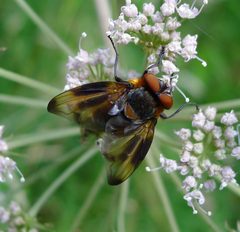
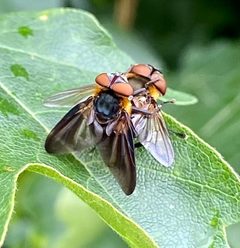
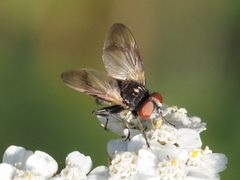
Pronunciation
How to pronounce Phasia: //ˈfeɪ.ʒə//
These audio files are automatically generated. While they are not always 100% accurate, they are a good starting point.
Images
Distribution
Worldwide distribution excluding the Neotropical region; records from the Palearctic, Oriental, Afrotropical, and Australasian regions. Specific locality records include the Russian Far East, Colorado (USA), and Scandinavian countries.
Host Associations
- Hemiptera Heteroptera - true bugs, primary
- Miridae - plant bugs
- Pentatomidae - stink bugs
- Nysius raphanus - false chinch bug, Lygaeidae
- Palomena prasina -
- Graphosoma italicum -
- Aelia rostrata -
- Lygus bugs -
Behavior
Phasia occidentis has been observed to be attracted to blue color traps and to crude extracts of canola and mustard oilseed, suggesting olfactory and visual cues guide -finding .
Ecological Role
of true bugs (Hemiptera), functioning as a agent of agricultural pests including plant bugs and stink bugs.
Human Relevance
Some serve as agents of agricultural pest species, particularly false chinch bug (Nysius raphanus) on Brassicaceae crops.
Sources and further reading
- BugGuide
- Wikipedia
- GBIF taxonomy match
- iNaturalist taxon
- NCBI Taxonomy
- Catalogue of Life
- Systematics of Phasia Latreille (Diptera: Tachinidae)
- Relative attraction of color traps and plant extracts to the false chinch bugNysius raphanus and its parasitoid,Phasia occidentis, on brassica crops in colorado
- New host records for parasitic dipterans of the genus Phasia Latreille (Diptera: Tachinidae) from the Russian Far East
- COS-PPA: protocol to develop a core outcome set for primary progressive aphasia.