
Phasiini
Genus Guides
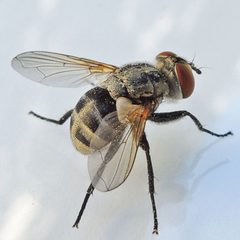
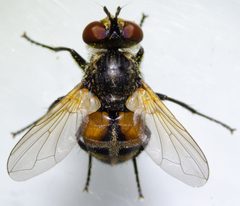
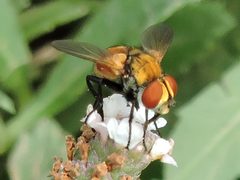
1Phasiini is a tribe of tachinid flies ( Tachinidae) within the Phasiinae. Phylogenetic research has substantially revised its circumscription, with most historically assigned transferred to other tribes. The tribe currently comprises two genera: Elomya and Phasia. Members are flies, with larvae developing inside other insects.
Pronunciation
How to pronounce Phasiini: /ˈfeɪ.si.aɪ.ni/
These audio files are automatically generated. While they are not always 100% accurate, they are a good starting point.
Identification
Images
Diet
feed on nectar and other sugary fluids. Larvae are that develop within insects.
Host Associations
- Heteroptera - larval Phasia are known of true bugs
Life Cycle
Complete with , larva, pupa, and stages. Females deposit eggs on or near ; larvae penetrate host tissues and develop internally, eventually killing the host.
Ecological Role
agents that regulate of true bugs (Heteroptera) and potentially other insects through .
Human Relevance
Some contribute to natural suppression of pest heteropterans in agricultural and natural .
Similar Taxa
- Other Phasiinae tribesPhasiini was historically broader; phylogenetic revision distinguished it based on clade membership now restricted to Elomya and Phasia
More Details
Taxonomic Revision
The tribe has undergone significant reclassification. formerly listed under Phasiini—Compsoptesis, Euscopoliopteryx, Perigymnosoma, Saralba, and Subclytia—have been transferred to other tribes based on molecular phylogenetic studies.